Why Your Dentist Recommended a Crown (And Why You Need One)

Dental Crowns in Mesa

Why Your Dentist Recommended a Crown (And Why You Need One)

August 10, 2026

Dental Health

If your dentist just told you that you need a crown, you might be feeling confused — or even a little worried. You’re not alone. Many patients in Mesa leave the dental chair wondering whether a crown is truly necessary. Understanding why your dentist recommended a crown can ease that anxiety and help you make an informed decision about your care.

At My Dentist Mesa, Dr. Ivraj Sandhu takes the time to explain every recommendation clearly. This article walks you through the most common clinical reasons a crown is prescribed — so you feel confident, not pressured, about your next step.

What Is a Dental Crown and What Does It Do?

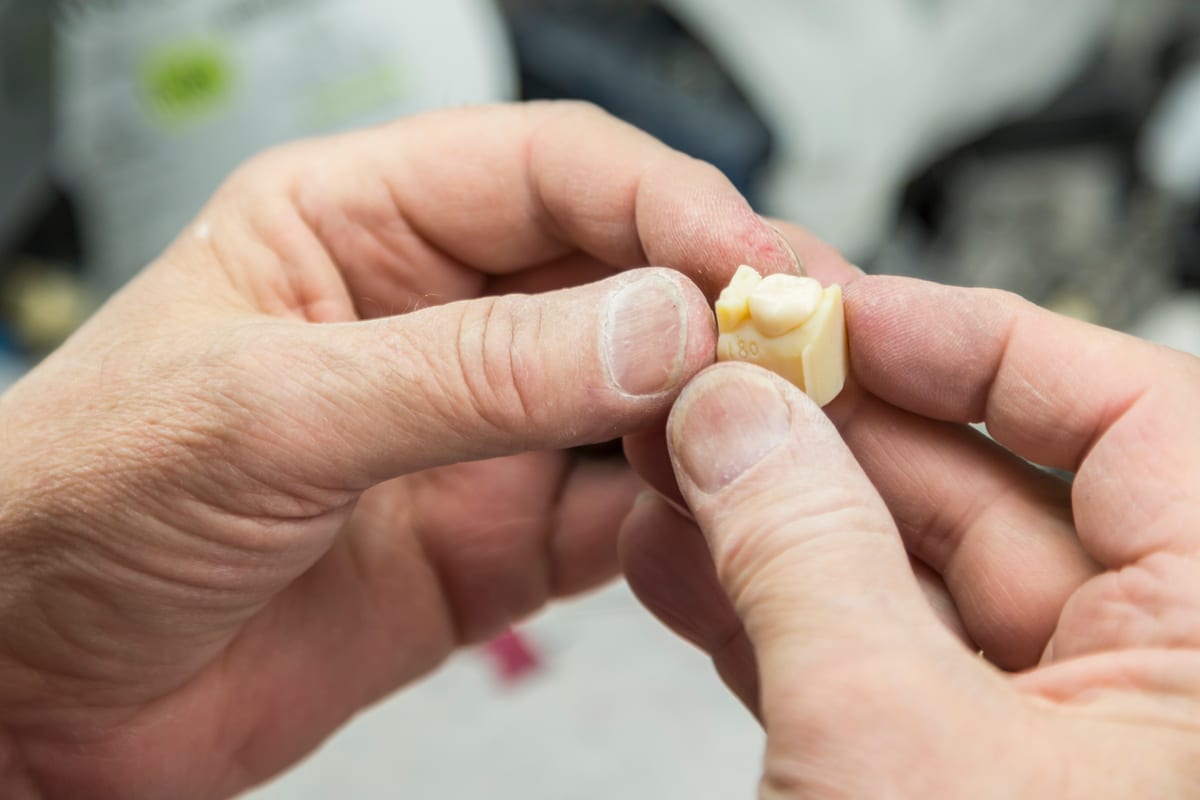
A dental crown is a custom-fitted cap that covers the entire visible portion of a tooth. It restores the tooth’s shape, strength, and appearance. Crowns are made from materials like porcelain, zirconia, or ceramic.

They are not cosmetic upgrades. They serve a specific structural purpose. When a tooth is too damaged for a simple filling, a crown holds everything together and prevents further breakage.

Here are the main reasons crowns are recommended:

  • The tooth has a deep crack or fracture
  • An old or large filling has failed or broken down
  • The tooth recently had a root canal procedure
  • A cusp has chipped or broken away
  • Significant decay has removed too much natural tooth structure

Why Your Dentist Recommended a Crown — Common Clinical Reasons in Mesa

Understanding the reason behind your crown recommendation is the first step toward accepting it. Dr. Sandhu never recommends a crown without a clear clinical justification. Let’s break down the most frequent scenarios.

Cracked Tooth Syndrome is more common than most people realize. A crack in a tooth can be invisible to the naked eye but still cause sharp pain when you chew. Left untreated, that crack can deepen and split the tooth entirely.

A crown holds the two sides of the crack together. It acts like a protective band around the tooth. This prevents the crack from spreading with every bite you take.

Failed or Oversized Fillings are another leading reason. When a filling takes up more than half of a tooth’s surface, the remaining tooth walls become thin and brittle. Over time, those walls can fracture under normal chewing pressure.

Replacing a broken or failing large filling with a crown gives the tooth long-term protection. It replaces lost structure rather than just patching it. This is one of the most preventive uses of a crown.

Post-Root Canal and Broken Cusps — When a Crown Is Non-Negotiable

After a root canal, the tooth loses its internal blood and nerve supply. This makes the tooth significantly more brittle than a living tooth. Without a crown, that tooth is highly likely to crack or break during normal eating.

Most dentists — including Dr. Sandhu — consider crowning a root-canal-treated back tooth to be standard care. It is not optional in most cases. Skipping this step risks losing the tooth entirely.

Broken or missing cusps also require a crown in most situations. A cusp is one of the pointed chewing surfaces on your back teeth. When a cusp breaks off — whether from decay, an old filling, or biting something hard — the tooth loses structural integrity.

A filling cannot always replace a missing cusp reliably. The forces involved in chewing are too strong. A crown distributes those forces evenly across the whole tooth.

  • Crowns protect teeth after root canal treatment
  • They restore broken cusps that fillings cannot reliably fix
  • They prevent a damaged tooth from splitting completely
  • They extend the life of a tooth that might otherwise need extraction

Same-Day Crowns in Mesa — What to Expect at Your Appointment

One reason patients hesitate is the idea of multiple dental visits. At My Dentist Mesa, we offer same-day dentistry using advanced CAD/CAM technology. Your crown can be designed, milled, and placed in a single visit.

Here is what the process typically looks like:

  1. Dr. Sandhu examines and prepares the tooth by removing damaged structure
  2. Digital impressions are taken — no messy putty required
  3. A custom crown is milled on-site while you wait
  4. The crown is fitted, adjusted, and bonded into place

The entire appointment usually takes one to two hours. You leave with a permanent crown the same day. There is no temporary crown and no second appointment needed.

If you ever experience sudden tooth pain or a broken cusp, that may also qualify as a Dental Emergency Mesa patients can bring straight to our office. We prioritize urgent cases so you are never left waiting in pain.

Should You Get a Second Opinion Before Getting a Crown?

It is completely reasonable to seek a second opinion on any major dental recommendation. Most dentists — including Dr. Sandhu — encourage informed patients. If you are unsure, ask your dentist to show you the X-rays and explain the specific reason for the crown.

Look for clear clinical evidence. This includes visible cracks, radiographic decay, a broken filling, or a tooth that recently had root canal therapy. These are objective findings — not judgment calls.

If the evidence is there, delaying a crown rarely improves the situation. In most cases, waiting allows the damage to worsen. A tooth that needs a crown today may need an extraction if left untreated too long.

Our practice is part of a broader commitment to whole-body, patient-centered dental care. As part of Family Dentistry Mesa patients trust, we prioritize education over sales. Dr. Sandhu will always explain the why behind every recommendation.

Frequently Asked Questions

Is a dental crown always necessary, or can a large filling work instead?

In some cases, a large filling can work short-term. However, when a filling exceeds roughly half the tooth’s surface area, the remaining walls become fragile. A crown offers far more reliable long-term protection and reduces the risk of the tooth fracturing later.

How long does a dental crown last?

With proper care, a well-placed crown typically lasts between 10 and 15 years — sometimes longer. Factors like grinding, diet, and oral hygiene habits all play a role. Regular dental check-ups help catch any wear or issues early.

Does getting a crown hurt?

The procedure is performed under local anesthesia, so you should not feel pain during the appointment. Some patients experience mild sensitivity or soreness for a few days afterward. This is normal and usually resolves on its own.

What happens if I ignore the recommendation for a crown?

Ignoring the need for a crown allows the underlying damage to progress. A cracked tooth can split further, a failing filling can lead to deeper decay, and a root-canal-treated tooth becomes increasingly vulnerable to fracture. In many cases, the tooth eventually cannot be saved and requires extraction.

Can I get a crown placed in a single visit in Mesa?

Yes. My Dentist Mesa offers same-day crown placement using in-office CAD/CAM technology. Digital impressions are taken, and your custom crown is milled on-site. Most patients leave with their permanent crown the same day they come in.

If Dr. Sandhu has recommended a crown, you now understand the clinical reasoning behind that advice. Protecting a damaged tooth today prevents far more complex treatment down the road. Book Now to schedule your appointment with our team.

Dental Crowns in Mesa

August 10, 2026

Dental Health

If your dentist just told you that you need a crown, you might be feeling confused — or even a little worried. You’re not alone. Many patients in Mesa leave the dental chair wondering whether a crown is truly necessary. Understanding why your dentist recommended a crown can ease that anxiety and help you make an informed decision about your care.

At My Dentist Mesa, Dr. Ivraj Sandhu takes the time to explain every recommendation clearly. This article walks you through the most common clinical reasons a crown is prescribed — so you feel confident, not pressured, about your next step.

What Is a Dental Crown and What Does It Do?

A dental crown is a custom-fitted cap that covers the entire visible portion of a tooth. It restores the tooth’s shape, strength, and appearance. Crowns are made from materials like porcelain, zirconia, or ceramic.

They are not cosmetic upgrades. They serve a specific structural purpose. When a tooth is too damaged for a simple filling, a crown holds everything together and prevents further breakage.

Here are the main reasons crowns are recommended:

  • The tooth has a deep crack or fracture
  • An old or large filling has failed or broken down
  • The tooth recently had a root canal procedure
  • A cusp has chipped or broken away
  • Significant decay has removed too much natural tooth structure

Why Your Dentist Recommended a Crown — Common Clinical Reasons in Mesa

Understanding the reason behind your crown recommendation is the first step toward accepting it. Dr. Sandhu never recommends a crown without a clear clinical justification. Let’s break down the most frequent scenarios.

Cracked Tooth Syndrome is more common than most people realize. A crack in a tooth can be invisible to the naked eye but still cause sharp pain when you chew. Left untreated, that crack can deepen and split the tooth entirely.

A crown holds the two sides of the crack together. It acts like a protective band around the tooth. This prevents the crack from spreading with every bite you take.

Failed or Oversized Fillings are another leading reason. When a filling takes up more than half of a tooth’s surface, the remaining tooth walls become thin and brittle. Over time, those walls can fracture under normal chewing pressure.

Replacing a broken or failing large filling with a crown gives the tooth long-term protection. It replaces lost structure rather than just patching it. This is one of the most preventive uses of a crown.

Post-Root Canal and Broken Cusps — When a Crown Is Non-Negotiable

After a root canal, the tooth loses its internal blood and nerve supply. This makes the tooth significantly more brittle than a living tooth. Without a crown, that tooth is highly likely to crack or break during normal eating.

Most dentists — including Dr. Sandhu — consider crowning a root-canal-treated back tooth to be standard care. It is not optional in most cases. Skipping this step risks losing the tooth entirely.

Broken or missing cusps also require a crown in most situations. A cusp is one of the pointed chewing surfaces on your back teeth. When a cusp breaks off — whether from decay, an old filling, or biting something hard — the tooth loses structural integrity.

A filling cannot always replace a missing cusp reliably. The forces involved in chewing are too strong. A crown distributes those forces evenly across the whole tooth.

  • Crowns protect teeth after root canal treatment
  • They restore broken cusps that fillings cannot reliably fix
  • They prevent a damaged tooth from splitting completely
  • They extend the life of a tooth that might otherwise need extraction

Same-Day Crowns in Mesa — What to Expect at Your Appointment

One reason patients hesitate is the idea of multiple dental visits. At My Dentist Mesa, we offer same-day dentistry using advanced CAD/CAM technology. Your crown can be designed, milled, and placed in a single visit.

Here is what the process typically looks like:

  1. Dr. Sandhu examines and prepares the tooth by removing damaged structure
  2. Digital impressions are taken — no messy putty required
  3. A custom crown is milled on-site while you wait
  4. The crown is fitted, adjusted, and bonded into place

The entire appointment usually takes one to two hours. You leave with a permanent crown the same day. There is no temporary crown and no second appointment needed.

If you ever experience sudden tooth pain or a broken cusp, that may also qualify as a Dental Emergency Mesa patients can bring straight to our office. We prioritize urgent cases so you are never left waiting in pain.

Should You Get a Second Opinion Before Getting a Crown?

It is completely reasonable to seek a second opinion on any major dental recommendation. Most dentists — including Dr. Sandhu — encourage informed patients. If you are unsure, ask your dentist to show you the X-rays and explain the specific reason for the crown.

Look for clear clinical evidence. This includes visible cracks, radiographic decay, a broken filling, or a tooth that recently had root canal therapy. These are objective findings — not judgment calls.

If the evidence is there, delaying a crown rarely improves the situation. In most cases, waiting allows the damage to worsen. A tooth that needs a crown today may need an extraction if left untreated too long.

Our practice is part of a broader commitment to whole-body, patient-centered dental care. As part of Family Dentistry Mesa patients trust, we prioritize education over sales. Dr. Sandhu will always explain the why behind every recommendation.

Frequently Asked Questions

Is a dental crown always necessary, or can a large filling work instead?

In some cases, a large filling can work short-term. However, when a filling exceeds roughly half the tooth’s surface area, the remaining walls become fragile. A crown offers far more reliable long-term protection and reduces the risk of the tooth fracturing later.

How long does a dental crown last?

With proper care, a well-placed crown typically lasts between 10 and 15 years — sometimes longer. Factors like grinding, diet, and oral hygiene habits all play a role. Regular dental check-ups help catch any wear or issues early.

Does getting a crown hurt?

The procedure is performed under local anesthesia, so you should not feel pain during the appointment. Some patients experience mild sensitivity or soreness for a few days afterward. This is normal and usually resolves on its own.

What happens if I ignore the recommendation for a crown?

Ignoring the need for a crown allows the underlying damage to progress. A cracked tooth can split further, a failing filling can lead to deeper decay, and a root-canal-treated tooth becomes increasingly vulnerable to fracture. In many cases, the tooth eventually cannot be saved and requires extraction.

Can I get a crown placed in a single visit in Mesa?

Yes. My Dentist Mesa offers same-day crown placement using in-office CAD/CAM technology. Digital impressions are taken, and your custom crown is milled on-site. Most patients leave with their permanent crown the same day they come in.

If Dr. Sandhu has recommended a crown, you now understand the clinical reasoning behind that advice. Protecting a damaged tooth today prevents far more complex treatment down the road. Book Now to schedule your appointment with our team.