
Visit Our Pediatric Office

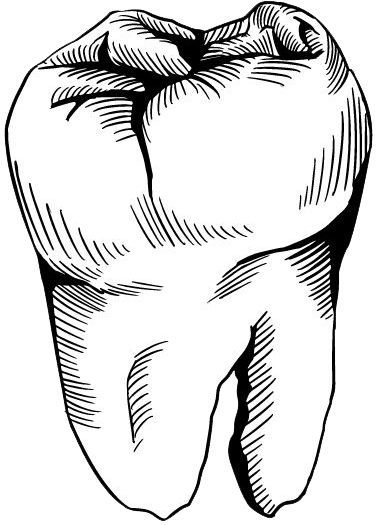
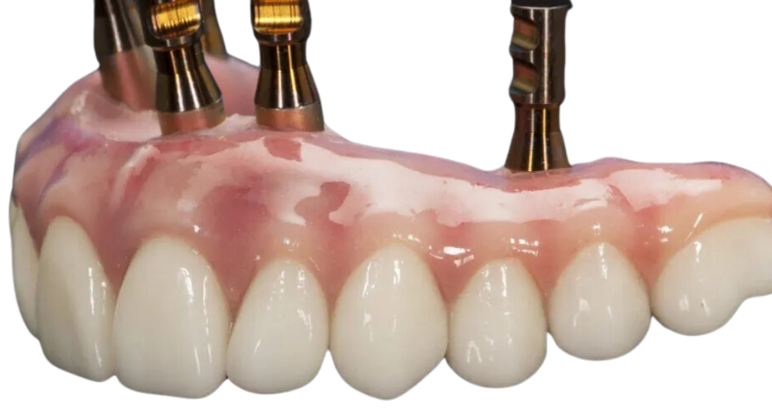
Hybrid Denture
All-on-X


What you’ll receive at your FREE Consultation.

3D X-Ray of your Mouth and Jawbone
Get all your questions answered with Doctor
Tailored Treatment Plan for your individual needs and goals
Transparent cost breakdown with options
If you have insurance, we can check to see you coverage details
What Are
All-on-X
Dental Implants?

The All-on-X dental treatment is a cutting-edge solution that seamlessly integrates the benefits of fixed dental implants with the convenience of traditional dentures to fully restore your smile. Gone are the days of struggling with painful, unstable dentures that compromise your confidence and oral function.
This advanced treatment is ideal for patients who have lost most or all of their natural teeth and are seeking a solution that combines exceptional functionality with aesthetic appeal. Missing teeth or ill-fitting dentures can significantly impact your quality of life. Fortunately, the All-on-X treatment has revolutionized dentistry and transformed the lives of millions, offering a permanent, comfortable, and attractive alternative to traditional dentures.
Benefits of Hybrid denture/ All-on-X Dental Implants
- Permanent Solution: Unlike dentures, All-on-X are fixed in the mouth, offering a more permanent and stable solution.
- Natural Appearance: The prosthetic teeth are designed to look and feel like your natural teeth, giving you a confident smile.
- Improved Functionality: With All-on-X implants supporting your hybrid denture, you can eat, speak, and smile without worrying about the discomfort or instability that often times comes with traditional dentures.
- Bone Preservation: Dental implants help maintain jawbone density, preventing the bone loss that typically occurs with missing teeth.

How does
All-on-X Work?
01
Consultation and Planning
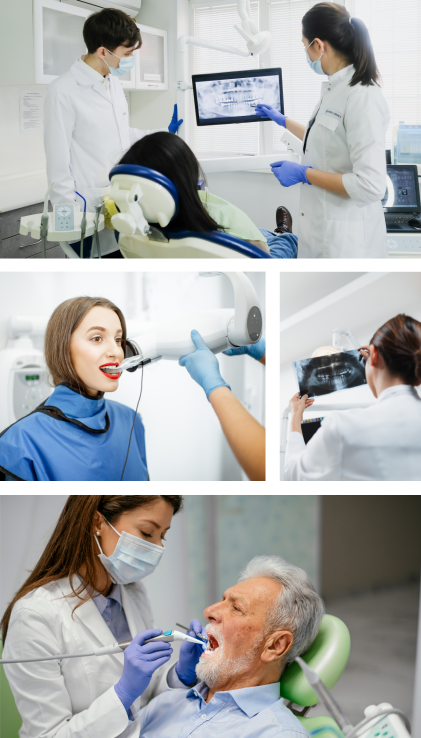
Your dentist will conduct a thorough examination, including X-rays or 3D scans, to assess your jawbone's condition and determine the number of implants needed.
02
Implant Placement
During the surgery, the implants are strategically placed into your jawbone. In most cases, temporary teeth are attached to the implants the same day.
03
Healing Period
Three days after your implant placement, you will have a post operative visit to check and see how you are healing and adjust the bite of the temporary hybrid denture.
Over the next few months, the implants will fuse with the jawbone (a process called osseointegration), providing a strong foundation for your new teeth.
04
Final Restoration
Once healing is complete, a custom-made prosthesis will be securely attached to the implants, restoring your smile.
How long does it take to heal after All-on-X?
Healing after All-on-X dental implants typically occurs in several stages, and the overall process can take a few months. Here's a general timeline:
Initial Healing
First Few Days
You may experience swelling, bruising, and discomfort immediately after the surgery. This is normal and can be managed with prescribed pain medications and ice packs.
1-2 Weeks
The initial healing phase usually takes about one to two weeks. During this time, the surgical sites will start to heal, and any stitches will either dissolve or be removed by your dentist.
Osseointegration (3-6 Months)
Bone Fusion
The implants will gradually fuse with your jawbone in a process called osseointegration. This is the most critical part of the healing process and can take anywhere from three to six months. During this period, your implants become securely anchored to your bone, providing a stable foundation for your new teeth.
Bone Fusion
In many cases, a temporary set of teeth is attached during this phase, allowing you to function normally while your implants integrate.
Final Restoration
After Osseointegration:
Once your implants have fully integrated with the jawbone, your dentist will attach the final, custom-made prosthesis. This marks the completion of the healing process and the start of enjoying your new, fully functional smile.



Most patients can resume normal activities within a week or two after the surgery, but the complete healing and integration process can take several months. Regular follow-up visits with your dentist are essential to monitor the healing progress and ensure everything is on track.
All-on-X vs. Traditional Dentures
| All-On -X Implants | Traditional Dentures | |
|---|---|---|
| Eating | Same chewing power as natural teeth | Significantly reduced chewing power |
| Speaking | Almost zero loss in speaking ability | Can be difficult to due to looseness |
| Roof of Mouth Covered? | Roof of mouth not covered | Top palate fully covered |
| Smiling and Laughing | Smile and laugh confidently knowing your teeth are secure | Dentures alone can get loose when laughing |
| Comfort | Little to no soreness | Can cause sore spots |
| Gagging | No gagging | Greater chance of gagging |
| Bone Loss | Implants help reduce bone loss | Bone loss is common |
| Denture Adhesive | Denture Adhesive never needed | Denture adhesive likely needed over time |
Frequently Asked Questions
1. Who is a candidate for All-on-4 dental implants?
Eligibility: Candidates typically include those who are missing most or all of their teeth in an arch, have significant tooth loss, or are dissatisfied with traditional dentures.
Bone Health: Adequate bone density is required, but the All-on-4 technique is often suitable for patients with some bone loss, reducing or eliminating the need for bone grafting.
2. What is the success rate of All-on-4 implants?
High Success Rate: The success rate for All-on-4 implants is approximately 95-98%, similar to traditional dental implants. The success depends on factors like bone quality and patient health.
3. How long do All-on-4 implants last?
Longevity: With proper care, All-on-4 implants can last for 20 years or more. The prosthetic teeth may need to be replaced every 10-15 years due to normal wear.
4. Is the All-on-4 procedure painful?
Anesthesia: The procedure is performed under local anesthesia, sedation, or general anesthesia, so patients typically experience little to no pain during surgery.
Recovery: Post-operative discomfort, swelling, and bruising are common but can be managed with prescribed pain medication and following the dentist’s post-op care instructions.
5. How long does the All-on-4 process take?
Procedure Time: The surgery typically takes 2-4 hours per arch. In many cases, temporary teeth can be placed on the same day, with permanent prosthetics fitted after the implants have fully integrated with the bone (usually 3-6 months).
6. How much do All-on-4 implants cost?
Cost Factors: The cost varies depending on location, the complexity of the case, and materials used. On average, the cost for an All-on-4 procedure per arch ranges from $25,000 to $35,000.
Insurance Coverage: While dental insurance may cover part of the procedure, coverage varies widely. Some practices also offer financing options.
7. What are the risks associated with All-on-4 implants?
Potential Complications: Risks include infection, implant failure, nerve damage, and sinus issues (for upper implants). These risks are minimized by selecting an experienced dental surgeon and adhering to post-operative care.
Long-Term Considerations: Although rare, there is a possibility that an implant could fail over time, requiring removal or replacement.
8. How do I care for All-on-4 implants?
Oral Hygiene: Daily brushing and flossing are essential. Special care should be taken around the implants to prevent gum disease and ensure longevity.
Regular Check-Ups: Regular dental visits for cleanings and check-ups are crucial for maintaining the health of the implants and the surrounding tissue.
9. Can All-on-4 implants be removed?
Non-Removable: The prosthetic teeth are fixed in place and not removable by the patient. However, a dentist can remove them if necessary for repairs or adjustments.
10. How do All-on-4 implants compare to traditional dentures?
- Vs. Dentures: All-on-4 implants offer superior stability, comfort, and functionality compared to traditional removable dentures. Dentures can slip or shift, while All-on-4 implants are securely anchored in the jawbone.