How Laser Therapy Can Benefit Patients with Gum Disease

how laser therapy can benefit patients with gum disease

How Laser Therapy Can Benefit Patients with Gum Disease

May 6, 2024

laser dentistry

Gum disease, also known as periodontal disease, is an inflammatory condition that affects the tissues surrounding your teeth. If left untreated, it can lead to serious problems like tooth loss and even impact your overall health. While traditional scaling and root planing are effective treatments, laser dentistry offers a minimally invasive alternative for some patients.

How Does Laser Therapy Work?

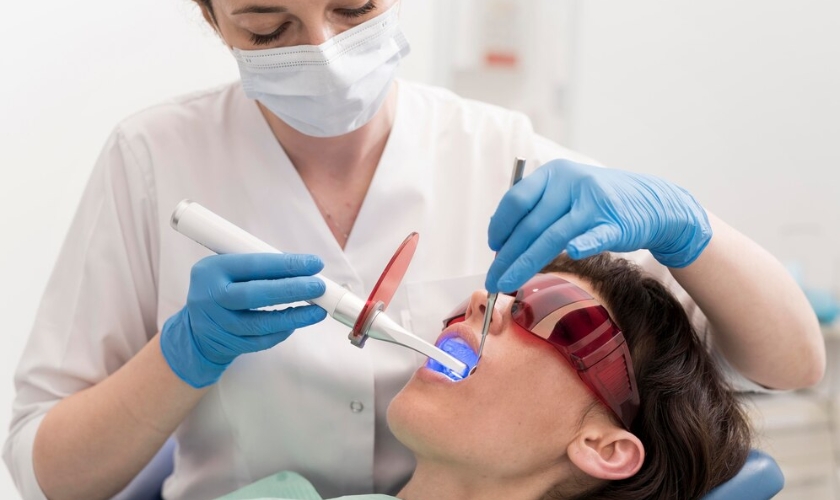
Laser dentistry utilizes concentrated beams of light energy to target and remove inflamed gum tissue. The dentist can precisely control the laser’s intensity and reach areas that might be difficult to access with traditional tools. Here’s a breakdown of the process:

  • Targeting Inflamed Tissue: The laser targets diseased gum tissue around the tooth root. This helps remove harmful bacteria and promotes healing.
  • Combating Bacteria: The laser’s energy can kill bacteria within the gum pockets, reducing inflammation and preventing further infection.
  • Stimulating Healing: Some lasers can stimulate the growth of new, healthy gum tissue. This can be beneficial for patients experiencing gum recession.

Benefits of Laser Therapy for Gum Disease

Laser therapy offers several advantages over traditional methods for treating gum disease. Here are some key benefits:

  • Minimally Invasive: Compared to conventional gum surgery, laser therapy is less invasive. This translates to less discomfort, swelling, and bleeding after the procedure.
  • Faster Healing: Since laser therapy is more precise and minimizes tissue trauma, patients typically experience faster healing times.
  • Reduced Bleeding: Lasers can seal blood vessels as they work, minimizing bleeding during the procedure. This can be particularly advantageous for patients who take blood thinners or have a history of excessive bleeding.
  • Improved Precision: The laser’s focused beam allows for more precise removal of diseased tissue, minimizing damage to healthy gum tissue.
  • Reduced Need for Anesthesia: In many cases, laser therapy can be performed using only topical anesthesia, eliminating the need for local or general anesthesia.
  • Comfort: Many patients report experiencing less discomfort during and after laser gum treatment compared to traditional methods.

Who Can Benefit from Laser Therapy?

While laser therapy offers numerous benefits, it’s not suitable for everyone. Here are some factors your dentist will consider when determining if you’re a good candidate:

  • Severity of Gum Disease: The stage of your gum disease will influence whether laser therapy is the most appropriate approach. Early-stage gum disease might be effectively managed with scaling and root planing, while laser therapy can be more suitable for advanced stages.
  • Overall Health: Your dentist will evaluate your overall health to ensure you’re a suitable candidate for any dental procedure. Certain medical conditions or medications might influence whether laser therapy is the right choice.
  • Your Preferences: Ultimately, the decision of whether to pursue laser therapy rests with you. Discuss your concerns and preferences with your dentist to determine the best course of treatment. Some patients might prioritize minimal discomfort and faster healing times, making laser therapy an attractive option.

Maintaining Healthy Gums

Regardless of whether you choose laser therapy or a traditional approach to treat gum disease, maintaining good oral hygiene is crucial for long-term gum health. Here are some essential practices:

  • Brushing: Brush your teeth twice a day for two minutes each time, using a soft-bristled toothbrush and fluoride toothpaste. Pay particular attention to the gumline, where plaque and bacteria tend to accumulate.
  • Flossing: Floss daily to remove plaque and food particles from between your teeth, where brushing can’t reach. There are different flossing techniques, so find one that works best for you and your dentist can provide guidance.
  • Regular Dental Checkups: Schedule regular dental checkups and cleanings, typically every six months. These visits allow your dentist to monitor your oral health, detect gum disease in its early stages, and recommend appropriate treatment options. Early intervention is key to preventing gum disease from progressing and potentially requiring more complex treatments.
  • Lifestyle Habits: Certain lifestyle habits can contribute to gum disease. Smoking significantly increases the risk of gum disease. Maintaining a healthy diet rich in fruits, vegetables, and whole grains can support overall oral health, including gum health.

If you’re experiencing symptoms of gum disease, such as swollen or bleeding gums, persistent bad breath, or loose teeth, consult a dentist specializing in laser dentistry in Mesa. Early diagnosis and treatment are critical to prevent gum disease from progressing. With proper care and potentially the aid of laser dentistry, you can achieve and maintain healthy gums for a lifetime of confident smiles.

By discussing your gum health with a dental professional, you can explore whether laser therapy is a suitable option for your specific needs. They can provide a personalized treatment plan to address your gum disease and promote optimal oral health.

how laser therapy can benefit patients with gum disease

May 6, 2024

laser dentistry

Gum disease, also known as periodontal disease, is an inflammatory condition that affects the tissues surrounding your teeth. If left untreated, it can lead to serious problems like tooth loss and even impact your overall health. While traditional scaling and root planing are effective treatments, laser dentistry offers a minimally invasive alternative for some patients.

How Does Laser Therapy Work?

Laser dentistry utilizes concentrated beams of light energy to target and remove inflamed gum tissue. The dentist can precisely control the laser’s intensity and reach areas that might be difficult to access with traditional tools. Here’s a breakdown of the process:

  • Targeting Inflamed Tissue: The laser targets diseased gum tissue around the tooth root. This helps remove harmful bacteria and promotes healing.
  • Combating Bacteria: The laser’s energy can kill bacteria within the gum pockets, reducing inflammation and preventing further infection.
  • Stimulating Healing: Some lasers can stimulate the growth of new, healthy gum tissue. This can be beneficial for patients experiencing gum recession.

Benefits of Laser Therapy for Gum Disease

Laser therapy offers several advantages over traditional methods for treating gum disease. Here are some key benefits:

  • Minimally Invasive: Compared to conventional gum surgery, laser therapy is less invasive. This translates to less discomfort, swelling, and bleeding after the procedure.
  • Faster Healing: Since laser therapy is more precise and minimizes tissue trauma, patients typically experience faster healing times.
  • Reduced Bleeding: Lasers can seal blood vessels as they work, minimizing bleeding during the procedure. This can be particularly advantageous for patients who take blood thinners or have a history of excessive bleeding.
  • Improved Precision: The laser’s focused beam allows for more precise removal of diseased tissue, minimizing damage to healthy gum tissue.
  • Reduced Need for Anesthesia: In many cases, laser therapy can be performed using only topical anesthesia, eliminating the need for local or general anesthesia.
  • Comfort: Many patients report experiencing less discomfort during and after laser gum treatment compared to traditional methods.

Who Can Benefit from Laser Therapy?

While laser therapy offers numerous benefits, it’s not suitable for everyone. Here are some factors your dentist will consider when determining if you’re a good candidate:

  • Severity of Gum Disease: The stage of your gum disease will influence whether laser therapy is the most appropriate approach. Early-stage gum disease might be effectively managed with scaling and root planing, while laser therapy can be more suitable for advanced stages.
  • Overall Health: Your dentist will evaluate your overall health to ensure you’re a suitable candidate for any dental procedure. Certain medical conditions or medications might influence whether laser therapy is the right choice.
  • Your Preferences: Ultimately, the decision of whether to pursue laser therapy rests with you. Discuss your concerns and preferences with your dentist to determine the best course of treatment. Some patients might prioritize minimal discomfort and faster healing times, making laser therapy an attractive option.

Maintaining Healthy Gums

Regardless of whether you choose laser therapy or a traditional approach to treat gum disease, maintaining good oral hygiene is crucial for long-term gum health. Here are some essential practices:

  • Brushing: Brush your teeth twice a day for two minutes each time, using a soft-bristled toothbrush and fluoride toothpaste. Pay particular attention to the gumline, where plaque and bacteria tend to accumulate.
  • Flossing: Floss daily to remove plaque and food particles from between your teeth, where brushing can’t reach. There are different flossing techniques, so find one that works best for you and your dentist can provide guidance.
  • Regular Dental Checkups: Schedule regular dental checkups and cleanings, typically every six months. These visits allow your dentist to monitor your oral health, detect gum disease in its early stages, and recommend appropriate treatment options. Early intervention is key to preventing gum disease from progressing and potentially requiring more complex treatments.
  • Lifestyle Habits: Certain lifestyle habits can contribute to gum disease. Smoking significantly increases the risk of gum disease. Maintaining a healthy diet rich in fruits, vegetables, and whole grains can support overall oral health, including gum health.

If you’re experiencing symptoms of gum disease, such as swollen or bleeding gums, persistent bad breath, or loose teeth, consult a dentist specializing in laser dentistry in Mesa. Early diagnosis and treatment are critical to prevent gum disease from progressing. With proper care and potentially the aid of laser dentistry, you can achieve and maintain healthy gums for a lifetime of confident smiles.

By discussing your gum health with a dental professional, you can explore whether laser therapy is a suitable option for your specific needs. They can provide a personalized treatment plan to address your gum disease and promote optimal oral health.