Laser Dentistry for Cold Sores: Fast Relief

laser dentistry for cold sores

Laser Dentistry for Cold Sores: Fast Relief
August 22, 2024

laser dentistry

Cold sores, caused by the herpes simplex virus, can be both painful and embarrassing. While traditional treatments like antiviral medications and topical ointments can help, they often come with limitations, such as delayed relief and potential side effects. Laser dentistry offers a modern approach to treating cold sores, providing quick relief and faster recovery. This blog will explore how laser dentistry works, its benefits, and what to expect from this innovative treatment.

What is Laser Dentistry?

Laser dentistry utilizes focused light beams to address various dental and oral health issues. For cold sores, laser treatments are particularly effective in targeting and treating the affected areas with high precision. Unlike traditional methods that may involve more invasive procedures or medications, laser dentistry offers a minimally invasive alternative with potentially fewer side effects.

How Laser Dentistry Works?

Laser dentistry employs specific wavelengths of light to target precise areas in the mouth. When applied to a cold sore, the laser energy works in several ways:

  • Targeted Energy Delivery: The laser beam focuses directly on the cold sore, allowing for accurate and controlled treatment. This precision helps in minimizing damage to surrounding healthy tissues.
  • Virus Inactivation: The heat generated by the laser can help in reducing the activity of the herpes simplex virus, which causes the cold sore. This can lead to quicker healing and less frequent outbreaks.
  • Enhanced Blood Flow: The laser treatment can stimulate blood flow to the affected area, promoting faster healing by encouraging the body’s natural repair processes.

Benefits of Laser Dentistry for Cold Sores

Laser dentistry offers several advantages over traditional treatments for cold sores. Here are some key benefits:

Enhanced Precision

  • Accurate Targeting: One of the main advantages of laser dentistry is its precision. The laser can be directed exactly where needed, which helps in treating the cold sore effectively while sparing the surrounding healthy tissue.
  • Controlled Energy Application: The amount of energy delivered by the laser is carefully controlled, reducing the risk of over-treatment or damage. This ensures that the cold sore receives the appropriate level of treatment for optimal results.

Faster Healing and Recovery

  • Accelerated Healing: Laser treatments can significantly speed up the healing process. The laser stimulates the body’s natural healing mechanisms, which helps the cold sore to heal more quickly compared to traditional methods.
  • Reduced Recovery Time: Many patients find that their recovery time is shorter with laser dentistry. This means less downtime and a quicker return to daily activities.

Minimal Discomfort and Side Effects

  • Less Painful: Compared to other methods, laser treatments are often less painful. The procedure is typically quick and may not require local anesthesia, although it can be used if necessary.
  • Fewer Side Effects: Laser dentistry is associated with fewer side effects compared to traditional treatments. Patients often experience minimal swelling, redness, or discomfort post-treatment.

What to Expect During a Laser Dentistry Procedure?

If you’re considering laser dentistry for cold sores, it’s helpful to know what to expect during the procedure:

Before the Procedure

  • Consultation: Before treatment, you’ll have a consultation with your dentist or healthcare provider. They will assess the cold sore and discuss the laser treatment process with you. This is a good time to ask any questions and address any concerns.
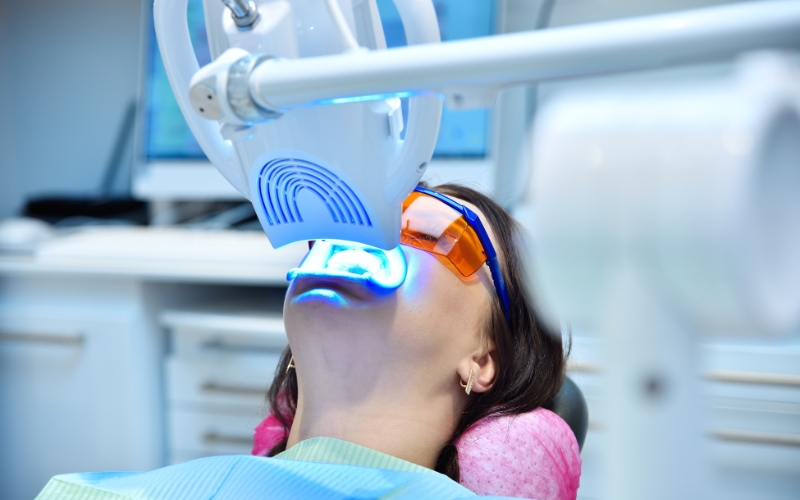
  • Preparation: Your dentist will prepare the treatment area and may provide protective eyewear to shield your eyes from the laser light. The cold sore area will be cleaned to ensure the best possible results.

During the Procedure

  • Laser Application: The dentist will apply the laser to the cold sore with precision. The treatment is usually completed in a matter of minutes. Many patients find the procedure tolerable with minimal discomfort.
  • Comfort Measures: Depending on your sensitivity, local anesthesia may be used to enhance comfort during the procedure. Your dentist will discuss this option with you if needed.

After the Procedure

  • Immediate Relief: Many patients experience immediate relief from pain and discomfort following the treatment. The cold sore may begin to heal faster than with other methods.
  • Post-Treatment Care: After the procedure, your dentist will provide instructions for care. This may include avoiding certain foods or activities that could irritate the treated area. It’s important to follow these guidelines to ensure optimal healing.

Who is a Good Candidate for Laser Dentistry?

Laser dentistry is suitable for many people with cold sores, but certain factors may affect candidacy:

Health Considerations

  • General Health: Your overall health and medical history will be evaluated to determine if laser dentistry is appropriate for you. Certain health conditions may influence the suitability of the treatment.
  • Current Medications: Inform your dentist about any medications you are taking. Some medications may interact with the laser treatment or affect the healing process.

Frequency of Cold Sores

  • Frequent Outbreaks: Individuals who experience frequent or severe cold sores may benefit from laser dentistry. Regular treatments can help manage outbreaks more effectively and provide long-term relief.

Laser dentistry offers a modern, effective solution for cold sores, providing fast relief and improved healing. By targeting the affected area with precision, laser treatments can reduce pain, minimize side effects, and accelerate recovery. If you’re struggling with cold sores, consider discussing laser dentistry with your healthcare provider. This advanced treatment can be a valuable option for managing and alleviating the discomfort associated with cold sores.

Frequently Asked Questions

How does laser treatment for cold sores work?

Laser treatment works by using concentrated light to target the cold sore’s affected area. The laser energy reduces viral activity, promotes faster healing by stimulating blood flow, and decreases inflammation. This results in quicker relief and reduced recurrence of cold sores.

How long does a laser treatment session take?

A typical laser treatment session for cold sores is relatively short, usually lasting between 5 to 10 minutes. The exact duration may vary depending on the size and severity of the cold sore.

Are there any side effects associated with laser treatment for cold sores?

Laser treatment for cold sores generally has few side effects. Some patients may experience slight redness, swelling, or discomfort in the treated area. These effects are usually temporary and resolve on their own. It’s important to follow aftercare instructions to minimize any potential side effects.

laser dentistry for cold sores

August 22, 2024

laser dentistry

Cold sores, caused by the herpes simplex virus, can be both painful and embarrassing. While traditional treatments like antiviral medications and topical ointments can help, they often come with limitations, such as delayed relief and potential side effects. Laser dentistry offers a modern approach to treating cold sores, providing quick relief and faster recovery. This blog will explore how laser dentistry works, its benefits, and what to expect from this innovative treatment.

What is Laser Dentistry?

Laser dentistry utilizes focused light beams to address various dental and oral health issues. For cold sores, laser treatments are particularly effective in targeting and treating the affected areas with high precision. Unlike traditional methods that may involve more invasive procedures or medications, laser dentistry offers a minimally invasive alternative with potentially fewer side effects.

How Laser Dentistry Works?

Laser dentistry employs specific wavelengths of light to target precise areas in the mouth. When applied to a cold sore, the laser energy works in several ways:

  • Targeted Energy Delivery: The laser beam focuses directly on the cold sore, allowing for accurate and controlled treatment. This precision helps in minimizing damage to surrounding healthy tissues.
  • Virus Inactivation: The heat generated by the laser can help in reducing the activity of the herpes simplex virus, which causes the cold sore. This can lead to quicker healing and less frequent outbreaks.
  • Enhanced Blood Flow: The laser treatment can stimulate blood flow to the affected area, promoting faster healing by encouraging the body’s natural repair processes.

Benefits of Laser Dentistry for Cold Sores

Laser dentistry offers several advantages over traditional treatments for cold sores. Here are some key benefits:

Enhanced Precision

  • Accurate Targeting: One of the main advantages of laser dentistry is its precision. The laser can be directed exactly where needed, which helps in treating the cold sore effectively while sparing the surrounding healthy tissue.
  • Controlled Energy Application: The amount of energy delivered by the laser is carefully controlled, reducing the risk of over-treatment or damage. This ensures that the cold sore receives the appropriate level of treatment for optimal results.

Faster Healing and Recovery

  • Accelerated Healing: Laser treatments can significantly speed up the healing process. The laser stimulates the body’s natural healing mechanisms, which helps the cold sore to heal more quickly compared to traditional methods.
  • Reduced Recovery Time: Many patients find that their recovery time is shorter with laser dentistry. This means less downtime and a quicker return to daily activities.

Minimal Discomfort and Side Effects

  • Less Painful: Compared to other methods, laser treatments are often less painful. The procedure is typically quick and may not require local anesthesia, although it can be used if necessary.
  • Fewer Side Effects: Laser dentistry is associated with fewer side effects compared to traditional treatments. Patients often experience minimal swelling, redness, or discomfort post-treatment.

What to Expect During a Laser Dentistry Procedure?

If you’re considering laser dentistry for cold sores, it’s helpful to know what to expect during the procedure:

Before the Procedure

  • Consultation: Before treatment, you’ll have a consultation with your dentist or healthcare provider. They will assess the cold sore and discuss the laser treatment process with you. This is a good time to ask any questions and address any concerns.
  • Preparation: Your dentist will prepare the treatment area and may provide protective eyewear to shield your eyes from the laser light. The cold sore area will be cleaned to ensure the best possible results.

During the Procedure

  • Laser Application: The dentist will apply the laser to the cold sore with precision. The treatment is usually completed in a matter of minutes. Many patients find the procedure tolerable with minimal discomfort.
  • Comfort Measures: Depending on your sensitivity, local anesthesia may be used to enhance comfort during the procedure. Your dentist will discuss this option with you if needed.

After the Procedure

  • Immediate Relief: Many patients experience immediate relief from pain and discomfort following the treatment. The cold sore may begin to heal faster than with other methods.
  • Post-Treatment Care: After the procedure, your dentist will provide instructions for care. This may include avoiding certain foods or activities that could irritate the treated area. It’s important to follow these guidelines to ensure optimal healing.

Who is a Good Candidate for Laser Dentistry?

Laser dentistry is suitable for many people with cold sores, but certain factors may affect candidacy:

Health Considerations

  • General Health: Your overall health and medical history will be evaluated to determine if laser dentistry is appropriate for you. Certain health conditions may influence the suitability of the treatment.
  • Current Medications: Inform your dentist about any medications you are taking. Some medications may interact with the laser treatment or affect the healing process.

Frequency of Cold Sores

  • Frequent Outbreaks: Individuals who experience frequent or severe cold sores may benefit from laser dentistry. Regular treatments can help manage outbreaks more effectively and provide long-term relief.

Laser dentistry offers a modern, effective solution for cold sores, providing fast relief and improved healing. By targeting the affected area with precision, laser treatments can reduce pain, minimize side effects, and accelerate recovery. If you’re struggling with cold sores, consider discussing laser dentistry with your healthcare provider. This advanced treatment can be a valuable option for managing and alleviating the discomfort associated with cold sores.

Frequently Asked Questions

How does laser treatment for cold sores work?

Laser treatment works by using concentrated light to target the cold sore’s affected area. The laser energy reduces viral activity, promotes faster healing by stimulating blood flow, and decreases inflammation. This results in quicker relief and reduced recurrence of cold sores.

How long does a laser treatment session take?

A typical laser treatment session for cold sores is relatively short, usually lasting between 5 to 10 minutes. The exact duration may vary depending on the size and severity of the cold sore.

Are there any side effects associated with laser treatment for cold sores?

Laser treatment for cold sores generally has few side effects. Some patients may experience slight redness, swelling, or discomfort in the treated area. These effects are usually temporary and resolve on their own. It’s important to follow aftercare instructions to minimize any potential side effects.