
Visit Our Pediatric Office

How Soon Can One Eat Normally After Getting Dental Implants? Your Recovery Diet Plan



September 2, 2025
Dental Implants
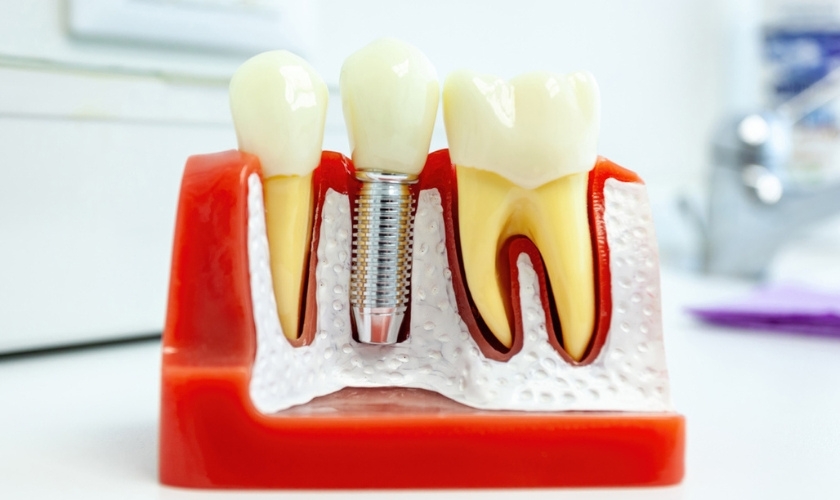
Dental implants offer a life-changing answer to missing teeth and restore both cosmetics and function. Healing time after implants is crucial to their success. Eating a well-planned diet is one of the most critical factors for good healing of your implants. A good recovery diet hastens healing and minimizes complications.
This blog will guide you through when and what food is fine to eat following dental implants, so that the recovery is not difficult.
The Healing Process Following Dental Implants
Healing following implant surgery occurs in three stages: initial, intermediate, and final. Initial healing occurs in 3 to 5 days.
During this time, you must have a soft food diet to prevent irritation. The intermediate stage is around 2 to 3 weeks, when the bone incorporates the implant, and the patients can reintroduce more solid foods. In the last stage, which lasts up to 6 months, the patients can resume their regular diet.
Reintroducing solid food gradually will avoid stressing the implant site and facilitate smooth integration.
The First Few Days: What to Eat Immediately After Surgery
You should stick to soft foods and liquids for the first few days following dental implant surgery. Smoothies, soups, yogurt, and mashed potatoes are excellent choices.
Avoid all hard, crunchy, and sticky foods for now since they can bother the surgical site and slow down healing. It is also necessary to hydrate yourself, but avoid ingesting through a straw, as sucking movements can dislodge the blood clot in the implant region.
Proper care at this point allows for dental implants in Mesa to get an effective connection with bone and tissues.
Week One: Moving Towards Solid Foods
While healing progresses towards the first week, you can start introducing soft but chewable foods. Mashed potatoes, scrambled eggs, and well-cooked veggies are all good options.
Chew very gently on the opposite side of the implants so that you do not apply too much pressure to the healing area. This is the time to listen to your body. If you feel any pain, revert to soft foods. This phase helps implants continue to bond with your bone while you are getting the required nutrients for quick recovery.
Weeks Two to Four: Gradual Reintroduction of Normal Foods
Weeks two to four are the period when patients can gradually get more solid foods into their diet. Start with foods like pasta, soft meat, and steamed vegetables. These foods are soft and not chewy, but not hard to chew without putting pressure on the implants.
Continue avoiding hard, stubborn, or really crunchy foods since they will disrupt the healing process. It is a very critical period to ensure that the dental implants are securely attached to the jawbone. Be patient and give your implants time to succeed.
Long-Term Diet Advice for Dental Implant Success
While your dental implants may be fully healed after several months, it’s essential to maintain a long-term diet plan to protect them. Avoid hard candies, popcorn, and foods that can put strain on the implants. These foods can lead to damage or dislodge the implant.
It’s also important to maintain good oral hygiene, even if you’re eating soft foods. Brushing, flossing, and regular professional cleanings will serve your implants well for a lifetime. Proper oral hygiene and a balanced diet are essential to long-term success for dental implants in Mesa.
It’s essential to a successful dental implant that you maintain a good recovery diet. Consuming solid foods in progressively harder stages and avoiding sticky or hard foods will cause your implants to bond to the jawbone correctly.
If you are not sure or have concerns about your recovery, please schedule an appointment with us. Personalized advice and treatment will help you achieve the best results with your dental implants.