Signs You Need to Visit an Emergency Dentist Immediately

critical signs that indicate immediate dental care

Signs You Need to Visit an Emergency Dentist Immediately
October 6, 2024

Dental Emergency

Oral health is crucial to overall well-being. Regular dental checkups ensure your teeth and gums remain healthy. However, some dental problems can occur suddenly and require immediate attention. Recognizing these dental emergencies can prevent long-term damage and avoid unnecessary pain.

Sometimes, delaying care can lead to more severe issues, from infections to tooth loss. Knowing when to seek emergency dental care is vital. This blog will help you identify the signs of a dental emergency and when it’s time to visit an emergency dentist immediately.

The Role of an Emergency Dentist

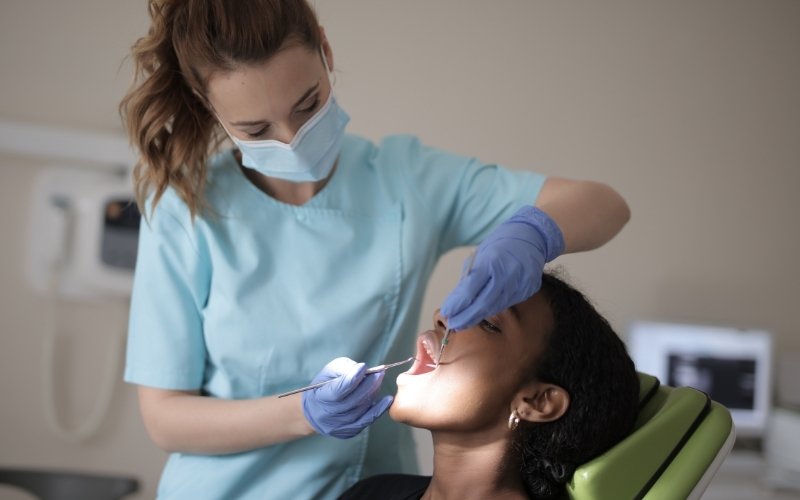
An emergency dentist specializes in providing care when sudden dental problems arise. These professionals are trained to handle urgent situations that can’t wait for a regular dental appointment. They focus on diagnosing and treating oral conditions that cause intense pain or pose severe risks to your health.

Common situations handled by emergency dentists include mouth trauma, such as broken or knocked-out teeth, severe infections, and uncontrolled bleeding. They also treat cases of extreme tooth pain that do not subside with over-the-counter painkillers.

Emergency dentists have the tools and expertise to address infections that could otherwise spread beyond the mouth and affect other parts of the body.

Unlike routine dental visits, which focus on cleanings, checkups, and preventive care, emergency dental services are about immediate relief and stabilization. Their goal is to quickly treat the issue, alleviate pain, and prevent the situation from worsening. Knowing you can turn to an emergency dentist for help is crucial if you are in an urgent dental situation.

Signs You Need to Visit an Emergency Dentist

Specific symptoms should never be ignored when it comes to your oral health. These signs indicate that you may need to visit an emergency dentist as soon as possible.

a) Severe Tooth Pain That Won’t Go Away

Tooth pain can vary in intensity, but severe, persistent pain is a red flag. While mild discomfort may result from temporary sensitivity, intense tooth pain that does not subside could indicate a more serious issue. A tooth abscess, for example, occurs when bacteria infect the inside of the tooth, leading to sharp pain.

Decay that reaches the nerve can also trigger severe pain. When tooth pain prevents you from eating, sleeping, or functioning normally, it is time to visit an emergency dentist. They can determine the underlying cause and provide treatment to relieve your pain and protect your tooth.

b) Broken or Knocked-Out Tooth

A knocked-out tooth is one of the most obvious dental emergencies. If you experience trauma to your mouth, whether from a sports injury or an accident, time is critical. Acting quickly increases the chances of saving the tooth. If you can, gently rinse the tooth and place it back in its socket, or keep it in a container with milk. Seek emergency dental care immediately.

A broken tooth also requires urgent attention. Even if you are not in pain, a crack or break leaves the tooth vulnerable to infection. The emergency dentist will assess the damage and recommend treatment to prevent further complications.

c) Bleeding Gums That Won’t Stop

Mild gum bleeding during brushing or flossing may be normal, but excessive or prolonged bleeding is not. If your gums are bleeding heavily and won’t stop, it could be due to advanced gum disease or injury. In some cases, bleeding gums signal a more severe oral health problem.

An emergency dentist can examine your gums to determine the cause of the bleeding and provide the necessary treatment. Persistent gum bleeding should never be ignored, as it may lead to more serious conditions like infection or tooth loss.

d) Swollen Jaw or Mouth

Swelling in the jaw or mouth is a sign that something is wrong. It may be the result of an infection or abscess. Infections can occur when bacteria enter the gums or tooth roots, often causing pain and visible swelling.

An untreated infection can spread to other parts of the body and become life-threatening. If you notice swelling in your jaw or mouth, along with pain or discomfort, visit an emergency dentist right away. Immediate treatment can prevent the infection from spreading and alleviate your symptoms.

e) Dental Abscess

A dental abscess is a pocket of pus caused by an infection. Signs of an abscess include throbbing pain, fever, swelling, and pus around the affected tooth or gums. You may also experience a bad taste in your mouth from the infection.

An abscess is a severe condition that requires emergency dental care. If left untreated, the infection can spread to other areas, including your neck and jaw. It can also lead to sepsis, a potentially fatal condition. An emergency dentist will drain the abscess and provide treatment to eliminate the infection.

f) Loose or Missing Dental Fillings/Crowns

Dental fillings and crowns protect your teeth from further decay and damage. When one falls out or becomes loose, the tooth is exposed to bacteria. Without protection, your tooth may become more susceptible to decay or fractures.

If you lose a filling or crown, contact an emergency dentist to have it replaced as soon as possible. Waiting too long increases the risk of damage to the underlying tooth, which may require more invasive treatments later.

g) Persistent Headaches or Migraines Linked to Oral Health

Many people do not realize that dental issues can contribute to chronic headaches or migraines. Problems like temporomandibular joint (TMJ) disorders or teeth grinding (bruxism) can lead to headaches that won’t go away. If you frequently wake up with headaches or experience jaw pain, it may be linked to an underlying dental issue.

An emergency dentist can diagnose the cause of your headaches and provide treatment options, such as a mouthguard for bruxism or therapy for TMJ disorders.

What To Do If You Experience a Dental Emergency?

Quick action can prevent further damage and relieve pain in a dental emergency. If you are experiencing intense tooth pain, bleeding, or swelling, call an emergency dentist immediately. For a knocked-out tooth, handle the tooth by the crown (not the root) and try to place it back in the socket or milk. Avoid using painkillers directly on your gums, as this can irritate them.

If you experience heavy bleeding that doesn’t stop or swelling that affects your ability to breathe or swallow, go to the emergency room immediately. In all cases, seeking professional help as soon as possible is key to resolving the issue quickly and effectively.

How to Prevent Dental Emergencies?

Prevention is the best way to avoid dental emergencies. Start by practicing good oral hygiene, including brushing twice daily and flossing daily. Regular dental checkups help catch minor issues before they become serious problems.

If you play contact sports, wear a mouthguard to protect your teeth from injury. Avoid chewing on hard objects like ice or pens, as they can crack your teeth. Address minor dental concerns, such as small cavities or sensitivity, before they escalate into emergencies.

Dental emergencies can happen to anyone, but knowing the signs can help you act quickly. Severe pain, swelling, bleeding, or trauma should never be ignored. If you experience these symptoms, you must visit an emergency dentist immediately. You can prevent long-term complications by prioritizing your oral health and seeking prompt care.

If you are experiencing a dental emergency in Mesa, contact our local emergency dentists for immediate assistance. Do not wait—your oral health depends on timely action!

critical signs that indicate immediate dental care

October 6, 2024

Dental Emergency

Oral health is crucial to overall well-being. Regular dental checkups ensure your teeth and gums remain healthy. However, some dental problems can occur suddenly and require immediate attention. Recognizing these dental emergencies can prevent long-term damage and avoid unnecessary pain.

Sometimes, delaying care can lead to more severe issues, from infections to tooth loss. Knowing when to seek emergency dental care is vital. This blog will help you identify the signs of a dental emergency and when it’s time to visit an emergency dentist immediately.

The Role of an Emergency Dentist

An emergency dentist specializes in providing care when sudden dental problems arise. These professionals are trained to handle urgent situations that can’t wait for a regular dental appointment. They focus on diagnosing and treating oral conditions that cause intense pain or pose severe risks to your health.

Common situations handled by emergency dentists include mouth trauma, such as broken or knocked-out teeth, severe infections, and uncontrolled bleeding. They also treat cases of extreme tooth pain that do not subside with over-the-counter painkillers.

Emergency dentists have the tools and expertise to address infections that could otherwise spread beyond the mouth and affect other parts of the body.

Unlike routine dental visits, which focus on cleanings, checkups, and preventive care, emergency dental services are about immediate relief and stabilization. Their goal is to quickly treat the issue, alleviate pain, and prevent the situation from worsening. Knowing you can turn to an emergency dentist for help is crucial if you are in an urgent dental situation.

Signs You Need to Visit an Emergency Dentist

Specific symptoms should never be ignored when it comes to your oral health. These signs indicate that you may need to visit an emergency dentist as soon as possible.

a) Severe Tooth Pain That Won’t Go Away

Tooth pain can vary in intensity, but severe, persistent pain is a red flag. While mild discomfort may result from temporary sensitivity, intense tooth pain that does not subside could indicate a more serious issue. A tooth abscess, for example, occurs when bacteria infect the inside of the tooth, leading to sharp pain.

Decay that reaches the nerve can also trigger severe pain. When tooth pain prevents you from eating, sleeping, or functioning normally, it is time to visit an emergency dentist. They can determine the underlying cause and provide treatment to relieve your pain and protect your tooth.

b) Broken or Knocked-Out Tooth

A knocked-out tooth is one of the most obvious dental emergencies. If you experience trauma to your mouth, whether from a sports injury or an accident, time is critical. Acting quickly increases the chances of saving the tooth. If you can, gently rinse the tooth and place it back in its socket, or keep it in a container with milk. Seek emergency dental care immediately.

A broken tooth also requires urgent attention. Even if you are not in pain, a crack or break leaves the tooth vulnerable to infection. The emergency dentist will assess the damage and recommend treatment to prevent further complications.

c) Bleeding Gums That Won’t Stop

Mild gum bleeding during brushing or flossing may be normal, but excessive or prolonged bleeding is not. If your gums are bleeding heavily and won’t stop, it could be due to advanced gum disease or injury. In some cases, bleeding gums signal a more severe oral health problem.

An emergency dentist can examine your gums to determine the cause of the bleeding and provide the necessary treatment. Persistent gum bleeding should never be ignored, as it may lead to more serious conditions like infection or tooth loss.

d) Swollen Jaw or Mouth

Swelling in the jaw or mouth is a sign that something is wrong. It may be the result of an infection or abscess. Infections can occur when bacteria enter the gums or tooth roots, often causing pain and visible swelling.

An untreated infection can spread to other parts of the body and become life-threatening. If you notice swelling in your jaw or mouth, along with pain or discomfort, visit an emergency dentist right away. Immediate treatment can prevent the infection from spreading and alleviate your symptoms.

e) Dental Abscess

A dental abscess is a pocket of pus caused by an infection. Signs of an abscess include throbbing pain, fever, swelling, and pus around the affected tooth or gums. You may also experience a bad taste in your mouth from the infection.

An abscess is a severe condition that requires emergency dental care. If left untreated, the infection can spread to other areas, including your neck and jaw. It can also lead to sepsis, a potentially fatal condition. An emergency dentist will drain the abscess and provide treatment to eliminate the infection.

f) Loose or Missing Dental Fillings/Crowns

Dental fillings and crowns protect your teeth from further decay and damage. When one falls out or becomes loose, the tooth is exposed to bacteria. Without protection, your tooth may become more susceptible to decay or fractures.

If you lose a filling or crown, contact an emergency dentist to have it replaced as soon as possible. Waiting too long increases the risk of damage to the underlying tooth, which may require more invasive treatments later.

g) Persistent Headaches or Migraines Linked to Oral Health

Many people do not realize that dental issues can contribute to chronic headaches or migraines. Problems like temporomandibular joint (TMJ) disorders or teeth grinding (bruxism) can lead to headaches that won’t go away. If you frequently wake up with headaches or experience jaw pain, it may be linked to an underlying dental issue.

An emergency dentist can diagnose the cause of your headaches and provide treatment options, such as a mouthguard for bruxism or therapy for TMJ disorders.

What To Do If You Experience a Dental Emergency?

Quick action can prevent further damage and relieve pain in a dental emergency. If you are experiencing intense tooth pain, bleeding, or swelling, call an emergency dentist immediately. For a knocked-out tooth, handle the tooth by the crown (not the root) and try to place it back in the socket or milk. Avoid using painkillers directly on your gums, as this can irritate them.

If you experience heavy bleeding that doesn’t stop or swelling that affects your ability to breathe or swallow, go to the emergency room immediately. In all cases, seeking professional help as soon as possible is key to resolving the issue quickly and effectively.

How to Prevent Dental Emergencies?

Prevention is the best way to avoid dental emergencies. Start by practicing good oral hygiene, including brushing twice daily and flossing daily. Regular dental checkups help catch minor issues before they become serious problems.

If you play contact sports, wear a mouthguard to protect your teeth from injury. Avoid chewing on hard objects like ice or pens, as they can crack your teeth. Address minor dental concerns, such as small cavities or sensitivity, before they escalate into emergencies.

Dental emergencies can happen to anyone, but knowing the signs can help you act quickly. Severe pain, swelling, bleeding, or trauma should never be ignored. If you experience these symptoms, you must visit an emergency dentist immediately. You can prevent long-term complications by prioritizing your oral health and seeking prompt care.

If you are experiencing a dental emergency in Mesa, contact our local emergency dentists for immediate assistance. Do not wait—your oral health depends on timely action!