
Visit Our Pediatric Office

Dental Implants vs. Dentures vs. Bridges: Which Actually Works Best



October 12, 2026
Dental Health
Choosing how to replace a missing tooth is one of the most important decisions you can make for your smile. When it comes to dental implants vs. dentures vs. bridges, there is no single answer that fits everyone. Each option has real advantages — and real limitations. At My Dentist Mesa, Dr. Ivraj Sandhu helps patients in Mesa, AZ understand every choice before committing to treatment. This guide breaks down all three options so you can make a confident, informed decision.
Understanding Your Three Main Tooth Replacement Options in Mesa
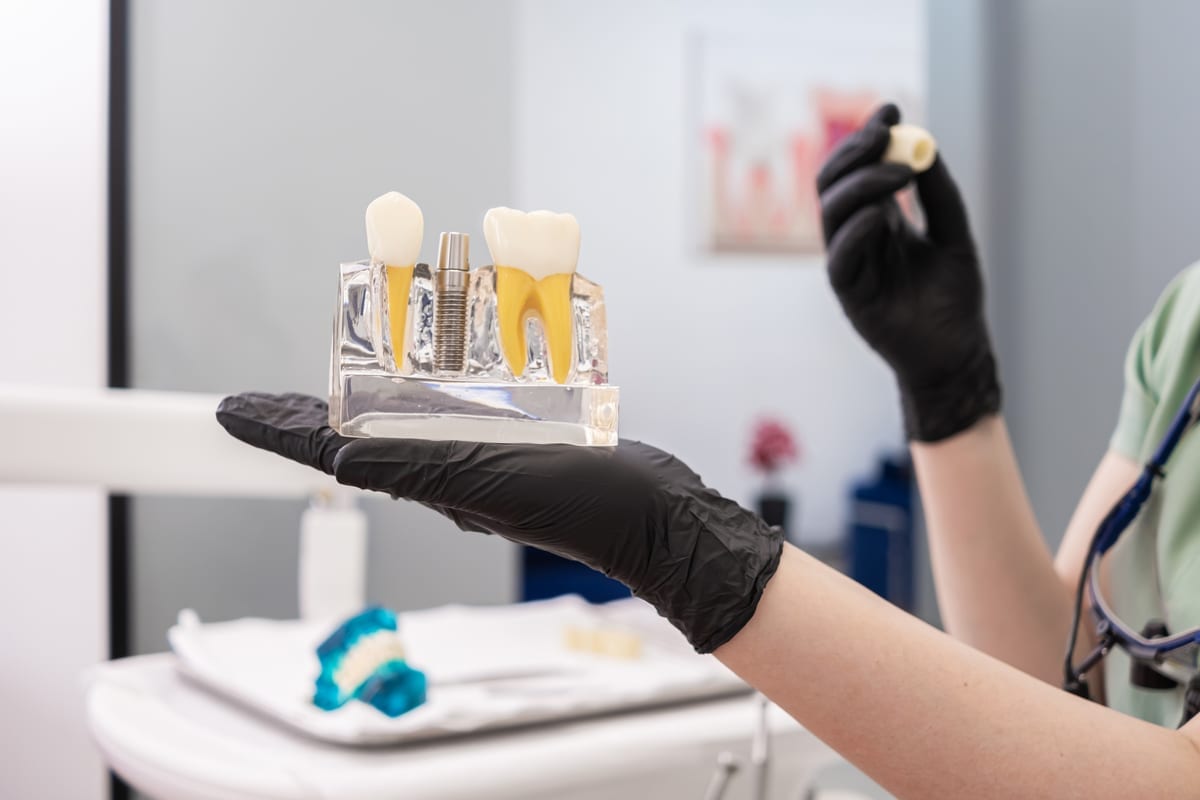
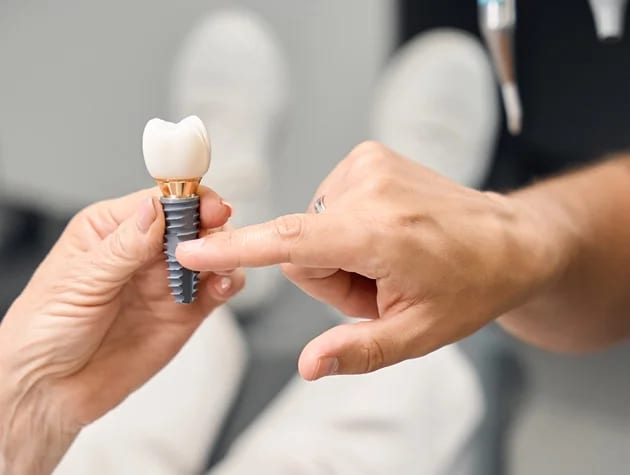
Before comparing, it helps to understand what each option actually is. A dental implant is a titanium post surgically placed into the jawbone. It acts like a natural tooth root and supports a crown on top. An implant looks, feels, and functions like a real tooth.
A dental bridge fills a gap by anchoring a false tooth to the natural teeth on either side. It is a fixed restoration, meaning it stays in your mouth permanently. However, it requires reshaping the healthy neighboring teeth.
A denture is a removable appliance that replaces multiple teeth — or an entire arch. Dentures rest on the gums and can be taken out for cleaning. They are often the most affordable starting point for tooth replacement.
Dental Implants vs. Dentures vs. Bridges: Comparing Long-Term Value
When patients in Mesa weigh their options, longevity is often the deciding factor. Dental implants can last a lifetime with proper care. Bridges typically last 10–15 years before needing replacement. Dentures usually require adjustment or replacement every 5–8 years as the jawbone changes shape.
Implants also protect your jawbone. When a tooth root is missing, the bone underneath begins to shrink — a process called resorption. Implants stimulate the bone just like natural tooth roots do. Neither bridges nor dentures offer this protective benefit.
- Dental Implants: Longest lifespan, bone-preserving, most natural feel
- Dental Bridges: Fixed and stable, no surgery required, but healthy teeth are altered
- Dentures: Most affordable upfront, non-invasive, but can shift and cause bone loss
Long-term cost is another key consideration. Implants cost more initially, but often prove less expensive over a decade because they rarely need replacement. Dentures and bridges may seem cheaper upfront, but replacements and adjustments add up over time.
Which Option Suits Your Situation? A Patient-Centered Comparison
Not every patient is a candidate for every treatment. Here is how to think through which option may be right for you.
Dental implants work best when you have good bone density, healthy gums, and are missing one or a few teeth. They are ideal if you want a permanent, low-maintenance solution. Most healthy adults qualify after a thorough evaluation with Dr. Sandhu.
Bridges are a strong option when you are missing one tooth and have two healthy teeth on either side. They work well for patients who want a fixed solution but prefer to avoid surgery. The tradeoff is that those neighboring teeth must be permanently altered to support the bridge.
Dentures are often recommended when many teeth are missing across an arch. They are also a practical choice for patients who need an immediate solution. Implant-supported dentures offer a middle-ground — they use implants for stability while replacing a full arch.
- Missing one tooth with healthy neighbors → Bridge or single implant
- Missing several teeth in a row → Implant-supported bridge or partial denture
- Missing all or most teeth in one arch → Full denture or implant-supported denture
- Bone loss present → Bone graft may be needed before implants
- Prefer no surgery → Bridge or traditional denture
What the Treatment Process Looks Like at My Dentist Mesa
Understanding what each treatment involves helps set realistic expectations. Getting a dental implant is a multi-step process. First, Dr. Sandhu evaluates your bone health and takes detailed scans. Then the implant post is placed, followed by a healing period. Finally, a custom crown is attached on top.
A dental bridge moves faster. After preparing the neighboring teeth, impressions are taken and sent to a lab. A temporary bridge is placed while the permanent one is made. The whole process typically takes two to three visits.
Dentures involve several fittings to ensure a comfortable, proper fit. Adjustments are common in the first few weeks. Implant-supported dentures require the same implant placement process before the denture is attached.
My Dentist Mesa also offers Dental Emergency Mesa services if you lose a tooth suddenly and need immediate guidance. Dr. Sandhu’s team can assess your situation quickly and discuss your replacement options right away. Getting prompt care often protects your remaining bone and surrounding teeth.
Biological and Holistic Considerations When Choosing Tooth Replacement
As a biological and holistic dental practice, My Dentist Mesa considers your whole-body health in every recommendation. The materials used in your restoration matter. Dr. Sandhu uses biocompatible materials designed to work in harmony with your body.
Traditional denture adhesives and some bridge cements contain chemicals that not every patient tolerates well. Implants made with medical-grade titanium have an exceptional safety record. Dr. Sandhu will walk you through the materials used for each option during your consultation.
Your overall health history also plays a role. Conditions like diabetes, osteoporosis, or a history of heavy smoking can affect implant success. A thorough health review is always part of the planning process at My Dentist Mesa.
If you are exploring Family Dentistry Mesa services for your whole household, Dr. Sandhu’s team can evaluate tooth replacement options for patients of all ages. Comprehensive family care means your entire family benefits from consistent, personalized dental guidance.
Conclusion: Making the Right Choice for Your Smile in Mesa
There is no universally
Frequently Asked Questions
How long do dental implants typically last compared to dentures and bridges?
Dental implants can last 25+ years or even a lifetime with proper care, making them the most durable option. Dentures usually need replacement every 5-10 years as your jawbone changes shape, while bridges typically last 10-15 years before needing replacement. This longevity makes implants a better long-term investment despite higher upfront costs.
Which option requires the most maintenance?
Dental implants require the least maintenance—simply brush and floss like natural teeth. Dentures demand daily cleaning, soaking, and careful handling to prevent damage and maintain fit. Bridges require special flossing techniques and regular professional cleaning to prevent decay underneath, making them moderately high-maintenance compared to implants.
Can I get dental implants if I’ve been told I don’t have enough jawbone?
Yes, bone grafting procedures can build up your jawbone to support implants, though this adds time and cost to the process. Your dentist in Mesa can evaluate your specific situation during a consultation. While dentures and bridges don’t require bone, implants offer superior function once your bone is restored.
Will dental implants look natural compared to bridges and dentures?
Dental implants provide the most natural appearance since they mimic both the crown and root of a real tooth. Modern bridges also look very natural but only replace the visible portion of the tooth. Dentures have improved significantly but may still appear less natural, especially when speaking or smiling widely.
What’s the cost difference between these three options in Mesa?
Implants have the highest initial cost but provide the best value over time due to their durability. Dentures are the most affordable upfront but require ongoing replacements and adjustments. Bridges fall in the middle price range and last longer than dentures but shorter than implants, making them a moderate middle option.