Invisalign vs. Braces: Which Actually Works Better for Adults?

Invisalign in Mesa

Invisalign vs. Braces: Which Actually Works Better for Adults?
August 24, 2026

Dental Health

If you’re an adult considering orthodontic treatment in Mesa, AZ, you’ve likely asked this question: Invisalign vs. braces — which actually works better for adults? It’s one of the most common conversations Dr. Ivraj Sandhu has with patients at My Dentist Mesa. The answer isn’t one-size-fits-all. Understanding the key differences helps you make a confident, informed decision about your smile.

Both options can deliver beautiful results. However, adults have specific needs that teens don’t always share. Factors like appearance, lifestyle, comfort, and treatment complexity all play a role. Let’s break down exactly how these two options compare for adult patients right here in Mesa.

Invisalign vs. Braces: Comfort and Daily Life for Adults

Comfort matters — especially when you’re an adult with a busy schedule. Traditional metal braces use brackets and wires that can irritate the inside of your cheeks and lips. Most patients adjust over time, but soreness after adjustments is common.

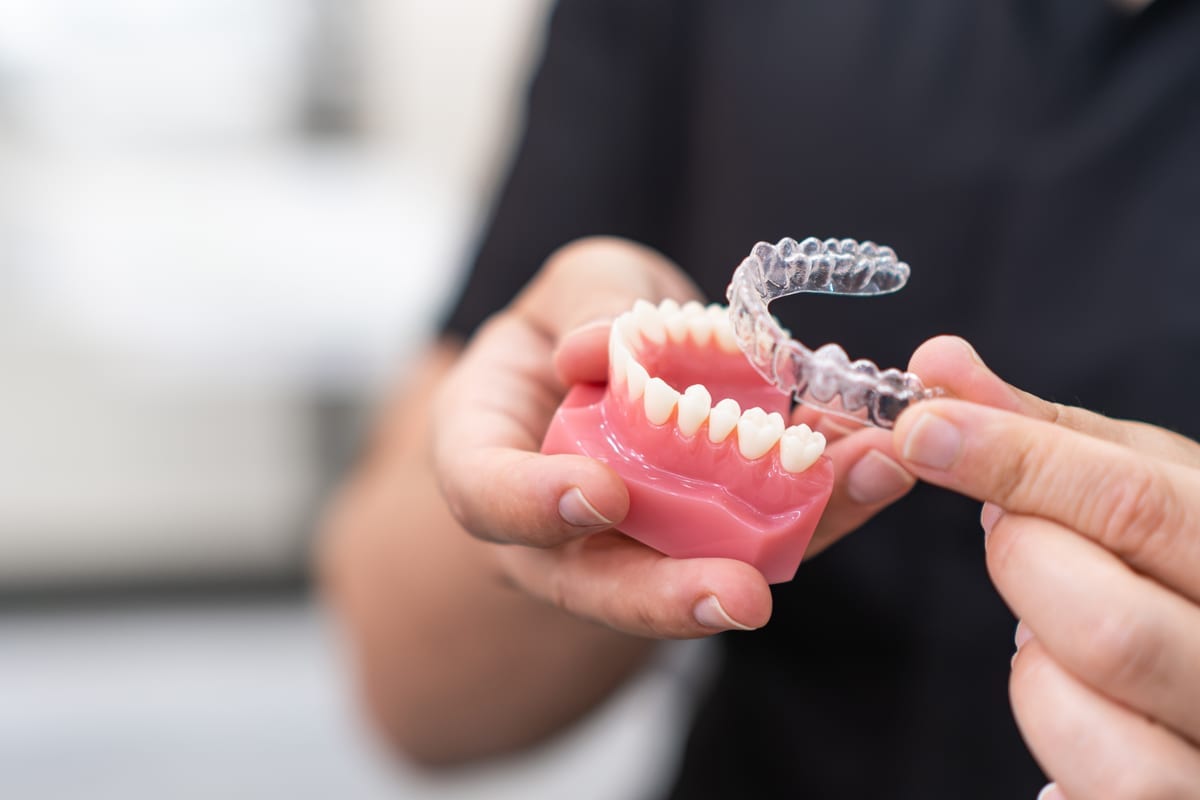
Invisalign uses smooth, custom-fitted clear aligners. There are no sharp metal edges to worry about. Many adult patients in Mesa find the aligners significantly more comfortable during daily wear.

Here’s how they compare on everyday comfort factors:

  • Eating: Invisalign aligners are removable — eat whatever you like. Braces require avoiding hard, sticky, or crunchy foods.
  • Oral hygiene: Brushing and flossing are easier with Invisalign. Braces require special tools to clean around brackets and wires.
  • Speech: Both can cause a slight adjustment period. Invisalign users often adapt within a few days.
  • Soreness: Braces cause soreness after each tightening visit. Invisalign causes mild pressure when switching to a new aligner tray.

For most adults, Invisalign wins on day-to-day comfort. That said, braces require zero patient compliance beyond wearing them — they work around the clock without any effort on your part.

Visibility: How Each Option Looks During Treatment

For many adults, appearance is the deciding factor. Wearing a mouth full of metal brackets can feel embarrassing in professional or social settings. This is one area where Invisalign has a clear advantage.

Invisalign aligners are nearly invisible. Most people won’t notice you’re wearing them unless they look very closely. This makes them extremely popular with working professionals and adults who interact with others regularly.

Traditional braces are highly visible. Modern options like ceramic braces or lingual braces (placed on the back of teeth) can reduce visibility. However, they still involve attachments on your teeth and typically cost more than standard metal braces.

If discretion is important to you during treatment, Invisalign is almost always the better choice for adults in Mesa. Dr. Sandhu helps patients weigh aesthetics alongside clinical needs during the consultation process.

Treatment Scope: What Each Option Can Actually Fix

This is where the comparison gets more nuanced. Invisalign has advanced dramatically over the past decade. It can now treat a wide range of orthodontic issues effectively.

Invisalign works well for:

  • Mild to moderate crowding
  • Gaps between teeth
  • Overbites, underbites, and crossbites (in many cases)
  • Teeth that have shifted after previous orthodontic treatment

Traditional braces still hold an advantage for more complex cases. Severe misalignment, significant bite problems, or cases requiring precise tooth rotation may respond better to braces. Braces give orthodontists greater control over tooth movement in all directions.

The key takeaway: Invisalign handles most adult cases well. However, a clinical evaluation is essential. Dr. Sandhu will assess your bite, jaw alignment, and overall dental health before recommending either option. If you also have urgent dental concerns, addressing a Dental Emergency Mesa patients experience should always come first before starting orthodontic treatment.

Compliance and Commitment: What Adults Need to Know

Here’s a critical difference that’s often overlooked. Invisalign only works when you wear the aligners. That means 20 to 22 hours per day — every single day. Adults who travel frequently, forget to put aligners back in, or remove them too often will see slower or incomplete results.

Traditional braces are permanently fixed to your teeth. There’s no compliance issue — they work continuously without any action from you. For adults who know they may struggle with the discipline of wearing removable aligners, braces might actually deliver more reliable results.

That said, most adult patients at My Dentist Mesa are highly motivated. They’re choosing treatment because they want results — and they follow through. For motivated, responsible adults, Invisalign compliance is rarely a problem.

Discussing your lifestyle honestly with Dr. Sandhu helps determine which option suits you better. Honesty during your consultation leads to a treatment plan that actually works for your life.

Cost Comparison: Invisalign vs. Traditional Braces in Mesa

Cost is a practical reality for most patients. Here’s a straightforward comparison without sugarcoating it.

Traditional metal braces are generally the more affordable option. Invisalign tends to cost slightly more on average, though prices vary significantly based on case complexity and treatment duration. Clear ceramic braces fall in a middle range.

It’s important to understand that cost reflects the technology, materials, and clinical skill involved. Invisalign requires digital scanning, custom aligner fabrication, and regular monitoring. Braces involve physical adjustments at each visit. Both are legitimate investments in your long-term oral health.

Patients interested in the full scope of care available at our practice, including Family Dentistry Mesa services, often find that bundling care under one roof is both convenient and practical. Dr. Sandhu’s team discusses all financial options transparently during your visit.

Which Option Is Right for You in Mesa?

The honest answer is: it depends on your specific clinical needs and personal priorities. There’s no universally superior choice between Invisalign and braces for every adult. The best treatment is the one that fits your teeth, your lifestyle, and your goals.

If you prioritize aesthetics, comfort, and flexibility — and you’ll wear your aligners consistently — Invisalign is likely the better fit. If you have a complex case or prefer a low-maintenance approach, traditional braces may serve you better.

Dr. Ivraj Sandhu takes a holistic, biological approach to dental care in Mesa, AZ. That means treatment recommendations focus on your overall health and long-term wellbeing — not just the shortest path to straighter teeth. Your consultation includes a thorough evaluation so you get a recommendation tailored specifically to you.

Ready to find out which treatment works best for your smile? Book Now to schedule your appointment with our team.

Frequently Asked Questions

Is Invisalign really as effective as braces for adults?

Yes, for most adult cases Invisalign is equally effective as traditional braces. It works very well for mild to moderate crowding, spacing, and many bite issues. Complex cases may still require braces. A clinical evaluation with Dr. Sandhu will determine the best option for your specific situation.

How long does Invisalign treatment take for adults in Mesa?

Treatment length varies based on the complexity of your case. Many adult patients complete Invisalign treatment in 12 to 18 months. Some mild cases finish sooner. Traditional braces typically range from 18 months to 3 years depending on the severity of alignment issues.

Can I switch from braces to Invisalign partway through treatment?

In some cases, switching mid-treatment is possible, but it’s not always recommended. It depends on the progress made and the clinical goals remaining. Dr. Sandhu would need to evaluate your current tooth position before advising on a switch. Starting with the right treatment from the beginning is always the better approach.

Does Invisalign hurt more or less than braces?

Most patients find Invisalign more comfortable overall. There’s no metal to cause irritation inside the mouth. You may feel pressure when switching to a new aligner tray, which is normal and typically fades within a day or two. Braces can cause soreness after each adjustment appointment.

What happens after Invisalign or braces treatment ends?

After either treatment, you’ll need to wear a retainer. Retainers prevent your teeth from shifting back to their original position. This is true for both Invisalign and traditional braces. Dr. Sandhu will recommend a retainer schedule based on your specific results and long-term retention needs.

Invisalign in Mesa

August 24, 2026

Dental Health

If you’re an adult considering orthodontic treatment in Mesa, AZ, you’ve likely asked this question: Invisalign vs. braces — which actually works better for adults? It’s one of the most common conversations Dr. Ivraj Sandhu has with patients at My Dentist Mesa. The answer isn’t one-size-fits-all. Understanding the key differences helps you make a confident, informed decision about your smile.

Both options can deliver beautiful results. However, adults have specific needs that teens don’t always share. Factors like appearance, lifestyle, comfort, and treatment complexity all play a role. Let’s break down exactly how these two options compare for adult patients right here in Mesa.

Invisalign vs. Braces: Comfort and Daily Life for Adults

Comfort matters — especially when you’re an adult with a busy schedule. Traditional metal braces use brackets and wires that can irritate the inside of your cheeks and lips. Most patients adjust over time, but soreness after adjustments is common.

Invisalign uses smooth, custom-fitted clear aligners. There are no sharp metal edges to worry about. Many adult patients in Mesa find the aligners significantly more comfortable during daily wear.

Here’s how they compare on everyday comfort factors:

  • Eating: Invisalign aligners are removable — eat whatever you like. Braces require avoiding hard, sticky, or crunchy foods.
  • Oral hygiene: Brushing and flossing are easier with Invisalign. Braces require special tools to clean around brackets and wires.
  • Speech: Both can cause a slight adjustment period. Invisalign users often adapt within a few days.
  • Soreness: Braces cause soreness after each tightening visit. Invisalign causes mild pressure when switching to a new aligner tray.

For most adults, Invisalign wins on day-to-day comfort. That said, braces require zero patient compliance beyond wearing them — they work around the clock without any effort on your part.

Visibility: How Each Option Looks During Treatment

For many adults, appearance is the deciding factor. Wearing a mouth full of metal brackets can feel embarrassing in professional or social settings. This is one area where Invisalign has a clear advantage.

Invisalign aligners are nearly invisible. Most people won’t notice you’re wearing them unless they look very closely. This makes them extremely popular with working professionals and adults who interact with others regularly.

Traditional braces are highly visible. Modern options like ceramic braces or lingual braces (placed on the back of teeth) can reduce visibility. However, they still involve attachments on your teeth and typically cost more than standard metal braces.

If discretion is important to you during treatment, Invisalign is almost always the better choice for adults in Mesa. Dr. Sandhu helps patients weigh aesthetics alongside clinical needs during the consultation process.

Treatment Scope: What Each Option Can Actually Fix

This is where the comparison gets more nuanced. Invisalign has advanced dramatically over the past decade. It can now treat a wide range of orthodontic issues effectively.

Invisalign works well for:

  • Mild to moderate crowding
  • Gaps between teeth
  • Overbites, underbites, and crossbites (in many cases)
  • Teeth that have shifted after previous orthodontic treatment

Traditional braces still hold an advantage for more complex cases. Severe misalignment, significant bite problems, or cases requiring precise tooth rotation may respond better to braces. Braces give orthodontists greater control over tooth movement in all directions.

The key takeaway: Invisalign handles most adult cases well. However, a clinical evaluation is essential. Dr. Sandhu will assess your bite, jaw alignment, and overall dental health before recommending either option. If you also have urgent dental concerns, addressing a Dental Emergency Mesa patients experience should always come first before starting orthodontic treatment.

Compliance and Commitment: What Adults Need to Know

Here’s a critical difference that’s often overlooked. Invisalign only works when you wear the aligners. That means 20 to 22 hours per day — every single day. Adults who travel frequently, forget to put aligners back in, or remove them too often will see slower or incomplete results.

Traditional braces are permanently fixed to your teeth. There’s no compliance issue — they work continuously without any action from you. For adults who know they may struggle with the discipline of wearing removable aligners, braces might actually deliver more reliable results.

That said, most adult patients at My Dentist Mesa are highly motivated. They’re choosing treatment because they want results — and they follow through. For motivated, responsible adults, Invisalign compliance is rarely a problem.

Discussing your lifestyle honestly with Dr. Sandhu helps determine which option suits you better. Honesty during your consultation leads to a treatment plan that actually works for your life.

Cost Comparison: Invisalign vs. Traditional Braces in Mesa

Cost is a practical reality for most patients. Here’s a straightforward comparison without sugarcoating it.

Traditional metal braces are generally the more affordable option. Invisalign tends to cost slightly more on average, though prices vary significantly based on case complexity and treatment duration. Clear ceramic braces fall in a middle range.

It’s important to understand that cost reflects the technology, materials, and clinical skill involved. Invisalign requires digital scanning, custom aligner fabrication, and regular monitoring. Braces involve physical adjustments at each visit. Both are legitimate investments in your long-term oral health.

Patients interested in the full scope of care available at our practice, including Family Dentistry Mesa services, often find that bundling care under one roof is both convenient and practical. Dr. Sandhu’s team discusses all financial options transparently during your visit.

Which Option Is Right for You in Mesa?

The honest answer is: it depends on your specific clinical needs and personal priorities. There’s no universally superior choice between Invisalign and braces for every adult. The best treatment is the one that fits your teeth, your lifestyle, and your goals.

If you prioritize aesthetics, comfort, and flexibility — and you’ll wear your aligners consistently — Invisalign is likely the better fit. If you have a complex case or prefer a low-maintenance approach, traditional braces may serve you better.

Dr. Ivraj Sandhu takes a holistic, biological approach to dental care in Mesa, AZ. That means treatment recommendations focus on your overall health and long-term wellbeing — not just the shortest path to straighter teeth. Your consultation includes a thorough evaluation so you get a recommendation tailored specifically to you.

Ready to find out which treatment works best for your smile? Book Now to schedule your appointment with our team.

Frequently Asked Questions

Is Invisalign really as effective as braces for adults?

Yes, for most adult cases Invisalign is equally effective as traditional braces. It works very well for mild to moderate crowding, spacing, and many bite issues. Complex cases may still require braces. A clinical evaluation with Dr. Sandhu will determine the best option for your specific situation.

How long does Invisalign treatment take for adults in Mesa?

Treatment length varies based on the complexity of your case. Many adult patients complete Invisalign treatment in 12 to 18 months. Some mild cases finish sooner. Traditional braces typically range from 18 months to 3 years depending on the severity of alignment issues.

Can I switch from braces to Invisalign partway through treatment?

In some cases, switching mid-treatment is possible, but it’s not always recommended. It depends on the progress made and the clinical goals remaining. Dr. Sandhu would need to evaluate your current tooth position before advising on a switch. Starting with the right treatment from the beginning is always the better approach.

Does Invisalign hurt more or less than braces?

Most patients find Invisalign more comfortable overall. There’s no metal to cause irritation inside the mouth. You may feel pressure when switching to a new aligner tray, which is normal and typically fades within a day or two. Braces can cause soreness after each adjustment appointment.

What happens after Invisalign or braces treatment ends?

After either treatment, you’ll need to wear a retainer. Retainers prevent your teeth from shifting back to their original position. This is true for both Invisalign and traditional braces. Dr. Sandhu will recommend a retainer schedule based on your specific results and long-term retention needs.