Dental Implants in Mesa, AZ | My Dentist Mesa

Dental Implants in Mesa

Dental Implants in Mesa, AZ | My Dentist Mesa

June 8, 2026

Dental Health

Is your jaw bone disappearing? Why waiting on implants gets costlier in Mesa is a question more patients are asking — and for good reason. Every day you delay replacing a missing tooth, your jaw bone quietly shrinks. Most people don’t feel it happening. By the time they notice, the damage is already significant. Understanding the warning signs early can save you time, discomfort, and expense.

What Happens to Your Jaw Bone After Tooth Loss

Your jaw bone needs stimulation to stay strong. Natural tooth roots provide that stimulation every time you chew. When a tooth is missing, the bone beneath it no longer receives that signal. The body treats unused bone as unnecessary and begins to reabsorb it.

This process is called bone resorption. It starts within weeks of losing a tooth. Studies show you can lose up to 25% of bone width in just the first year. That number increases significantly over time.

Bone loss doesn’t just affect one area. It can alter the shape of your face, cause neighboring teeth to shift, and make future implant placement far more complex. Acting sooner rather than later protects the structure you still have.

Warning Signs You May Have Already Waited Too Long in Mesa

Many Mesa residents come to us not realizing how much has already changed. Bone loss is painless at first. That’s what makes it so easy to ignore until the consequences become impossible to overlook.

Watch for these warning signs that suggest significant bone loss may have occurred:

  • Your face looks sunken or older than your age around the mouth
  • Neighboring teeth have visibly shifted or tilted toward the gap
  • You struggle to chew on one side due to instability or discomfort
  • Your dentures no longer fit properly and slip during eating or speaking
  • You notice a hollow feeling along your gum line where a tooth used to be

If any of these sound familiar, a professional evaluation is essential. Waiting longer will only deepen the problem. Dr. Ivraj Sandhu at My Dentist Mesa – Biological and Holistic Dentist Arizona can assess your current bone levels and discuss your best options.

Why Delaying Implants Costs More — Literally

Many patients delay implants thinking they are saving money. The opposite is usually true. When bone loss becomes severe, a bone graft is required before an implant can be placed. Grafting adds time and cost to the entire process.

Shifting teeth create misalignment issues. Correcting those issues may require orthodontic treatment in addition to implant work. What could have been a single procedure becomes a multi-step process spanning months or even years.

There are real consequences to delayed action, including:

  • Increased need for bone grafting procedures
  • Longer overall treatment timelines
  • Greater complexity during the implant surgery itself
  • Higher risk of implant failure due to insufficient bone support
  • Potential need for additional restorative work on shifted adjacent teeth

Implants placed while adequate bone remains are simpler, faster, and more predictable. The window for the most straightforward treatment closes with every passing month.

How Dental Implants Stop Bone Loss in Its Tracks

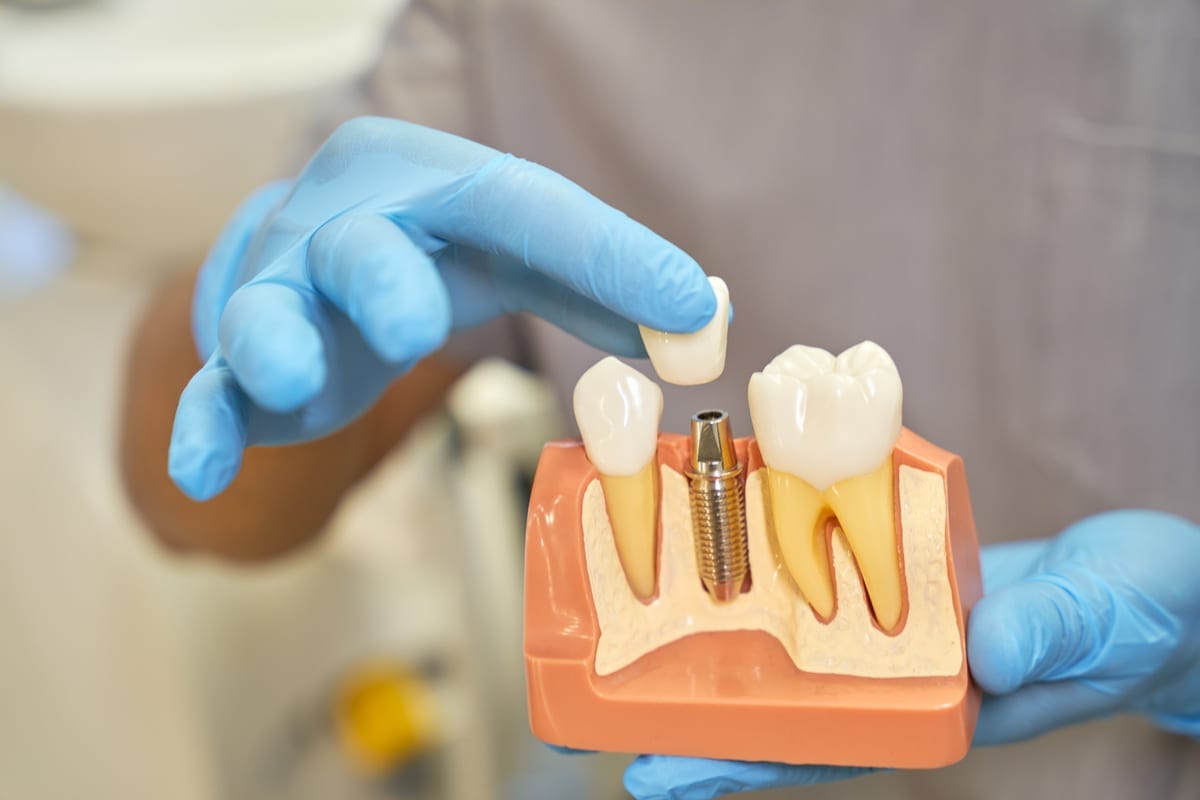
Dental implants are the only tooth replacement option that addresses bone loss directly. A titanium post is placed into the jaw bone. It mimics the function of a natural tooth root. The bone fuses with the implant through a process called osseointegration.

Once integrated, the implant stimulates the bone just like a natural tooth. This stops further resorption. In many cases, surrounding bone density actually stabilizes and improves over time. No other restoration — not bridges, not dentures — offers this benefit.

At My Dentist Mesa, we use a biological and holistic approach to implant placement. Dr. Sandhu prioritizes materials and methods that work with your body’s natural processes. Your overall health matters as much as your oral health in our care philosophy.

If you experience a sudden toothache, swelling, or trauma, a Dental Emergency appointment should be your first call. Addressing urgent issues promptly also reduces the risk of additional tooth loss and the bone loss that follows.

What to Expect When You Come In for an Implant Consultation

Starting the process is simpler than most patients expect. Your first visit involves a thorough examination of your teeth, gums, and jaw bone. Dr. Sandhu uses imaging to measure current bone density and volume. This gives a clear picture of what treatment looks like for your specific situation.

If bone grafting is needed, it is performed first and given time to heal. Implant placement follows once the graft is stable. A crown is then placed on top to complete the restoration. Each step is paced according to your body’s healing timeline.

We also offer Family Dentistry services, so your entire household can receive consistent, high-quality dental care in one trusted location. Preventive care and early detection remain the best tools for avoiding tooth loss in the first place.

Our Mesa patients often tell us they wish they had come in sooner. The earlier you act, the more options remain available to you. Complexity and cost both increase as bone loss advances.

Conclusion: Your Bone Health Won’t Wait

Jaw bone loss is silent, progressive, and preventable. The longer a missing tooth goes unreplaced, the narrower your treatment options become. Mesa residents who act early preserve more bone, experience simpler procedures, and protect their long-term oral health. Dr. Ivraj Sandhu and the team at My Dentist Mesa – Biological and Holistic Dentist Arizona are here to guide you through every step with honesty and compassion. Book Now to schedule your appointment with our team.

Frequently Asked Questions

How quickly does jaw bone loss begin after losing a tooth?

Bone resorption can begin within just a few weeks of tooth loss. The most significant changes often occur in the first year. Early replacement with a dental implant is the most effective way to prevent this progression.

Can I still get an implant if I have already experienced bone loss?

Yes, in many cases you can still receive an implant even with existing bone loss. A bone graft may be required first to build up the necessary volume and density. Dr. Sandhu will evaluate your specific situation and recommend the most appropriate treatment plan.

Are dental implants safe for patients focused on holistic health?

Dental implants use biocompatible titanium that integrates naturally with your body. At My Dentist Mesa, Dr. Sandhu takes a biological and holistic approach to treatment. He considers your overall health and discusses material options that align with your wellness values.

Will I feel pain during the implant procedure?

Most patients are surprised by how manageable the implant procedure feels. Local anesthesia is used throughout the process. Mild soreness after the procedure is common and typically resolves within a few days with proper care.

How long do dental implants last?

With proper care, dental implants can last a lifetime. Good oral hygiene and regular dental visits are essential to long-term implant success. They are widely considered the most durable and natural-feeling tooth replacement option available today.

Dental Implants in Mesa

June 8, 2026

Dental Health

Is your jaw bone disappearing? Why waiting on implants gets costlier in Mesa is a question more patients are asking — and for good reason. Every day you delay replacing a missing tooth, your jaw bone quietly shrinks. Most people don’t feel it happening. By the time they notice, the damage is already significant. Understanding the warning signs early can save you time, discomfort, and expense.

What Happens to Your Jaw Bone After Tooth Loss

Your jaw bone needs stimulation to stay strong. Natural tooth roots provide that stimulation every time you chew. When a tooth is missing, the bone beneath it no longer receives that signal. The body treats unused bone as unnecessary and begins to reabsorb it.

This process is called bone resorption. It starts within weeks of losing a tooth. Studies show you can lose up to 25% of bone width in just the first year. That number increases significantly over time.

Bone loss doesn’t just affect one area. It can alter the shape of your face, cause neighboring teeth to shift, and make future implant placement far more complex. Acting sooner rather than later protects the structure you still have.

Warning Signs You May Have Already Waited Too Long in Mesa

Many Mesa residents come to us not realizing how much has already changed. Bone loss is painless at first. That’s what makes it so easy to ignore until the consequences become impossible to overlook.

Watch for these warning signs that suggest significant bone loss may have occurred:

  • Your face looks sunken or older than your age around the mouth
  • Neighboring teeth have visibly shifted or tilted toward the gap
  • You struggle to chew on one side due to instability or discomfort
  • Your dentures no longer fit properly and slip during eating or speaking
  • You notice a hollow feeling along your gum line where a tooth used to be

If any of these sound familiar, a professional evaluation is essential. Waiting longer will only deepen the problem. Dr. Ivraj Sandhu at My Dentist Mesa – Biological and Holistic Dentist Arizona can assess your current bone levels and discuss your best options.

Why Delaying Implants Costs More — Literally

Many patients delay implants thinking they are saving money. The opposite is usually true. When bone loss becomes severe, a bone graft is required before an implant can be placed. Grafting adds time and cost to the entire process.

Shifting teeth create misalignment issues. Correcting those issues may require orthodontic treatment in addition to implant work. What could have been a single procedure becomes a multi-step process spanning months or even years.

There are real consequences to delayed action, including:

  • Increased need for bone grafting procedures
  • Longer overall treatment timelines
  • Greater complexity during the implant surgery itself
  • Higher risk of implant failure due to insufficient bone support
  • Potential need for additional restorative work on shifted adjacent teeth

Implants placed while adequate bone remains are simpler, faster, and more predictable. The window for the most straightforward treatment closes with every passing month.

How Dental Implants Stop Bone Loss in Its Tracks

Dental implants are the only tooth replacement option that addresses bone loss directly. A titanium post is placed into the jaw bone. It mimics the function of a natural tooth root. The bone fuses with the implant through a process called osseointegration.

Once integrated, the implant stimulates the bone just like a natural tooth. This stops further resorption. In many cases, surrounding bone density actually stabilizes and improves over time. No other restoration — not bridges, not dentures — offers this benefit.

At My Dentist Mesa, we use a biological and holistic approach to implant placement. Dr. Sandhu prioritizes materials and methods that work with your body’s natural processes. Your overall health matters as much as your oral health in our care philosophy.

If you experience a sudden toothache, swelling, or trauma, a Dental Emergency appointment should be your first call. Addressing urgent issues promptly also reduces the risk of additional tooth loss and the bone loss that follows.

What to Expect When You Come In for an Implant Consultation

Starting the process is simpler than most patients expect. Your first visit involves a thorough examination of your teeth, gums, and jaw bone. Dr. Sandhu uses imaging to measure current bone density and volume. This gives a clear picture of what treatment looks like for your specific situation.

If bone grafting is needed, it is performed first and given time to heal. Implant placement follows once the graft is stable. A crown is then placed on top to complete the restoration. Each step is paced according to your body’s healing timeline.

We also offer Family Dentistry services, so your entire household can receive consistent, high-quality dental care in one trusted location. Preventive care and early detection remain the best tools for avoiding tooth loss in the first place.

Our Mesa patients often tell us they wish they had come in sooner. The earlier you act, the more options remain available to you. Complexity and cost both increase as bone loss advances.

Conclusion: Your Bone Health Won’t Wait

Jaw bone loss is silent, progressive, and preventable. The longer a missing tooth goes unreplaced, the narrower your treatment options become. Mesa residents who act early preserve more bone, experience simpler procedures, and protect their long-term oral health. Dr. Ivraj Sandhu and the team at My Dentist Mesa – Biological and Holistic Dentist Arizona are here to guide you through every step with honesty and compassion. Book Now to schedule your appointment with our team.

Frequently Asked Questions

How quickly does jaw bone loss begin after losing a tooth?

Bone resorption can begin within just a few weeks of tooth loss. The most significant changes often occur in the first year. Early replacement with a dental implant is the most effective way to prevent this progression.

Can I still get an implant if I have already experienced bone loss?

Yes, in many cases you can still receive an implant even with existing bone loss. A bone graft may be required first to build up the necessary volume and density. Dr. Sandhu will evaluate your specific situation and recommend the most appropriate treatment plan.

Are dental implants safe for patients focused on holistic health?

Dental implants use biocompatible titanium that integrates naturally with your body. At My Dentist Mesa, Dr. Sandhu takes a biological and holistic approach to treatment. He considers your overall health and discusses material options that align with your wellness values.

Will I feel pain during the implant procedure?

Most patients are surprised by how manageable the implant procedure feels. Local anesthesia is used throughout the process. Mild soreness after the procedure is common and typically resolves within a few days with proper care.

How long do dental implants last?

With proper care, dental implants can last a lifetime. Good oral hygiene and regular dental visits are essential to long-term implant success. They are widely considered the most durable and natural-feeling tooth replacement option available today.