
Visit Our Pediatric Office

Can Stress and Sleep Influence Your Oral Microbiome and Biological Dental Health in Mesa?



January 6, 2026
Holistic Dentistry
Your oral health is connected to many aspects of your overall well-being, from your diet and oral hygiene habits to stress levels and sleep quality. But did you know that stress and sleep can have a significant impact on your oral microbiome, the balance of bacteria that live in your mouth? At My Dentist AZ in Mesa, we take a holistic approach to dental care, understanding that the health of your mouth is intertwined with your broader health.
Stress and poor sleep are more than just sources of discomfort; they can also disrupt the delicate ecosystem in your mouth, potentially leading to various dental issues. In this blog, we’ll explore how these factors influence your oral microbiome and biological dental health, and how you can address them through holistic dentistry.
The Oral Microbiome: What It Is and Why It Matters
Before diving into how stress and sleep affect your oral health, it’s essential to understand the oral microbiome. Just like the gut microbiome, which consists of bacteria that help with digestion, the oral microbiome refers to the diverse community of bacteria living in your mouth. These bacteria play a crucial role in your oral health, helping to prevent infections, support gum health, and aid in digestion by breaking down food particles.
However, the balance of these bacteria is fragile. Factors like stress, poor sleep, and an unbalanced diet can disrupt this balance, leading to an overgrowth of harmful bacteria that may contribute to conditions such as tooth decay, gum disease, and bad breath. A holistic dentist in Mesa understands how these factors can affect the mouth’s natural defenses and works to restore balance through treatments that focus on the whole person, not just their teeth.
How Stress Impacts Your Oral Microbiome
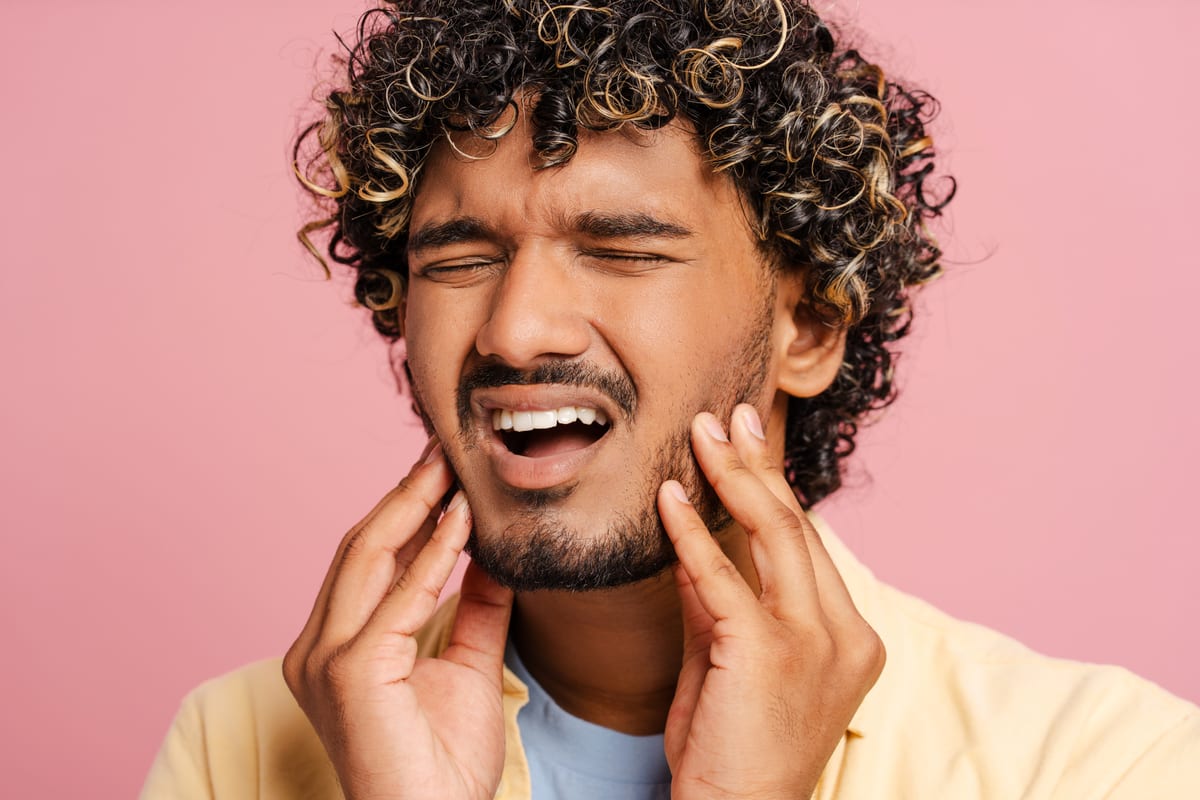
Stress is a natural part of life, but chronic stress can wreak havoc on your body, including your oral health. When you’re stressed, your body releases hormones like cortisol, which can suppress your immune system and increase inflammation. This imbalance can cause harmful bacteria in the mouth to thrive, disrupting the healthy balance of your oral microbiome. As a result, you might experience:
- Increased plaque buildup: Stress can lead to dry mouth, which reduces saliva production. Saliva helps neutralize acids and wash away food particles. With less saliva, bacteria can accumulate more easily, leading to plaque buildup on your teeth.
- Gum inflammation and disease: The stress hormone cortisol can suppress the production of pro-inflammatory cytokines, which can trigger gum disease (gingivitis or periodontitis) by irritating the gums.
- Teeth grinding (bruxism): Many people grind their teeth when stressed, especially while sleeping. This can lead to enamel wear, jaw pain, and temporomandibular joint (TMJ) disorders. It may also damage your teeth and gums, further disrupting your oral microbiome.
The Role of Sleep in Oral Health
Sleep is vital to your overall health and plays an essential role in maintaining the balance of your oral microbiome. During sleep, your body undergoes restorative processes that help repair tissues and regulate hormones. Poor or insufficient sleep can interfere with these processes, leading to:
- Increased bacterial growth: Just like stress, poor sleep can decrease saliva production, allowing bacteria to proliferate in the mouth. A dry mouth during sleep creates an ideal environment for harmful bacteria to flourish, increasing the risk of cavities and gum disease.
- Nighttime teeth grinding (bruxism): Poor sleep quality is often linked to bruxism, or the grinding of teeth at night. As mentioned earlier, this can lead to enamel erosion, jaw pain, and even tooth fractures, further damaging your oral health.
- Weakening of the immune system: Sleep deprivation can impair your immune function, making it harder for your body to fight off infections, including those in your gums or teeth. A compromised immune system may struggle to control the harmful bacteria that threaten your oral health.
How Holistic Dentistry Can Help
At My Dentist AZ in Mesa, we believe in a holistic approach to dental care. This approach doesn’t just focus on treating symptoms; it also considers your overall health, including stress management, sleep quality, and lifestyle choices, to ensure optimal oral health. Here’s how a holistic dentist in Mesa can help you:
- Identifying stress-related oral health issues: A holistic dentist will take the time to understand your lifestyle, including sources of stress, and help you address the root cause. This might include recommending relaxation techniques, stress-management strategies, or mindfulness practices to reduce the impact of stress on your oral health.
- Promoting better sleep habits: If poor sleep is contributing to oral health issues, your dentist may provide guidance on sleep hygiene. From improving your sleep environment to suggesting treatments for conditions like sleep apnea, a holistic dentist can help restore balance to your sleep cycle.
- Natural treatments to restore balance: Rather than relying solely on traditional treatments, a holistic dentist might recommend natural therapies like essential oils, herbal remedies, or dietary changes to support your oral microbiome and overall health.
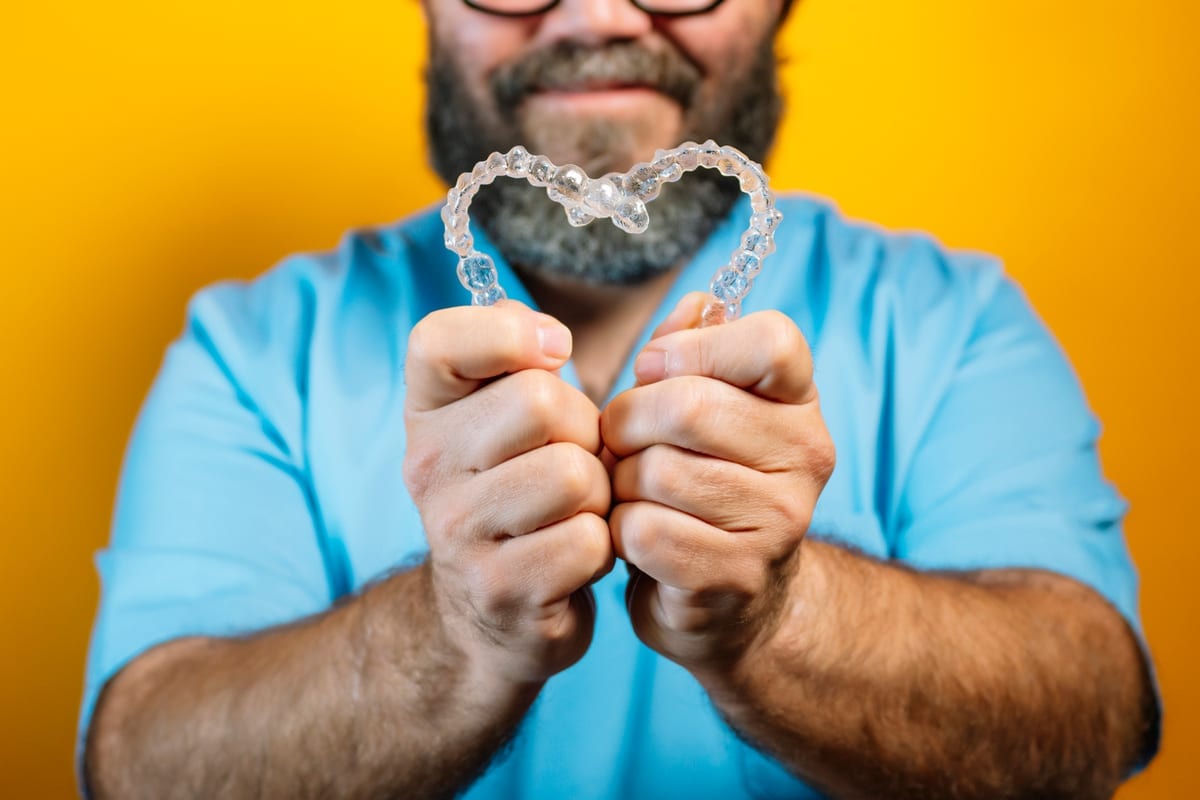
- Mouthguards for teeth grinding: If stress or sleep deprivation has led to teeth grinding, your holistic dentist can provide a custom mouthguard to protect your teeth from damage and reduce the effects of bruxism.
Understanding the connection between stress, sleep, and your oral health is essential for maintaining a healthy smile. At My Dentist AZ in Mesa, we take a holistic approach to dental care, focusing on our patients’ overall well-being. If you’re ready to address the root causes of your oral health concerns, schedule a consultation with our team today. Call us at (503) 664-9953 to book your appointment!
People Also Ask
1. Can stress cause cavities?
Yes, stress can lead to behaviors such as teeth grinding or neglecting oral hygiene, both of which increase the risk of cavities and gum disease.
2. How does lack of sleep affect my gums?
Poor sleep can weaken your immune system, making it harder for your body to fight off gum infections. This may contribute to gum inflammation and disease.
3. Can I prevent teeth grinding caused by stress?
Yes, a mouthguard can protect your teeth from the damage caused by grinding. Additionally, stress management techniques can help reduce the urge to grind your teeth.
4. Is there a connection between my overall health and my oral health?
Yes, your oral health is directly connected to your overall health. Issues such as stress and poor sleep can significantly affect your oral microbiome and lead to dental problems.