Can Invisalign Treat Adult Bite Issues Like Overbite or Crossbite?
Invisalign-in-Mesa

Can Invisalign Treat Adult Bite Issues Like Overbite or Crossbite?
February 2, 2026

Invisalign

Bite problems are more common in adults than most people realize. A 2020 study published in the American Journal of Orthodontics and Dentofacial Orthopedics found that roughly 56% of adults have some degree of malocclusion — a misalignment of the teeth or jaw. Yet many adults assume that fixing a bite issue means years of metal brackets and wires. That assumption is outdated.

Invisalign has come a long way since its introduction in the late 1990s. Today, it addresses a wide range of bite corrections, and if you’ve been quietly dealing with an overbite, crossbite, or underbite, there’s a good chance clear aligners can help. For adults across the Valley, working with a provider offering Invisalign means access to modern orthodontic care without putting life on pause.

Here’s what you need to know.

What Are Bite Issues?

A bite issue, also known as malocclusion, occurs when your upper and lower teeth don’t meet correctly. There are several types, and each affects function and appearance differently.

  • Overbite: The upper front teeth overlap too far over the lower ones. A slight overbite is normal, but a deep overbite can cause jaw pain, excessive enamel wear, and even gum tissue damage.
  • Underbite: The lower jaw protrudes forward, causing lower teeth to sit in front of the upper teeth. This can affect chewing, speech, and facial symmetry.
  • Crossbite: Some upper teeth sit inside the lower teeth rather than outside them. A crossbite can be anterior (front teeth) or posterior (back teeth), and it often leads to uneven jaw development and tooth wear over time.
  • Open Bite: When the front teeth don’t close together at all, leaving a visible gap even when the mouth is shut. This can interfere significantly with chewing and speaking.

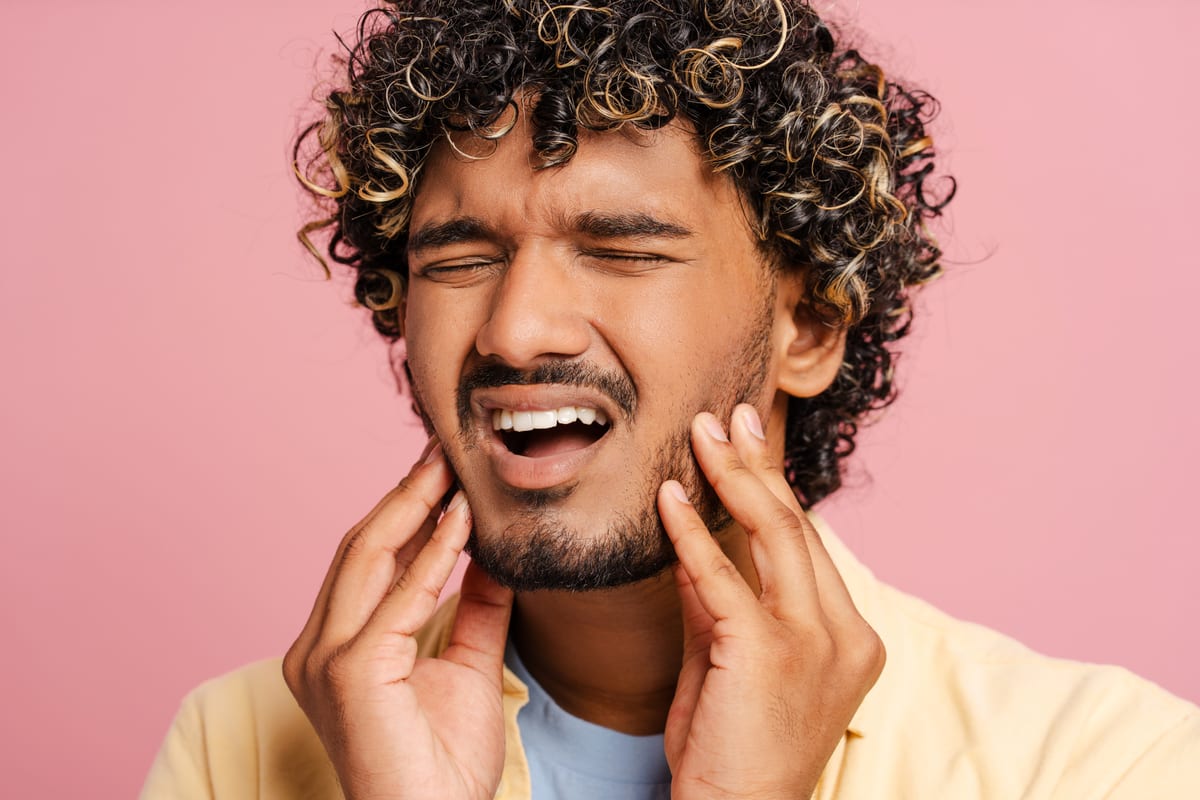
Left untreated, these conditions don’t just cause cosmetic concerns. They can contribute to temporomandibular joint (TMJ) disorders, chronic headaches, accelerated tooth wear, and difficulty maintaining good oral hygiene. So correcting a bite issue is as much about health as it is about how your smile looks.

Can Invisalign Fix These?

The short answer is yes — for many adults. The longer answer depends on the type and severity of your bite issue.

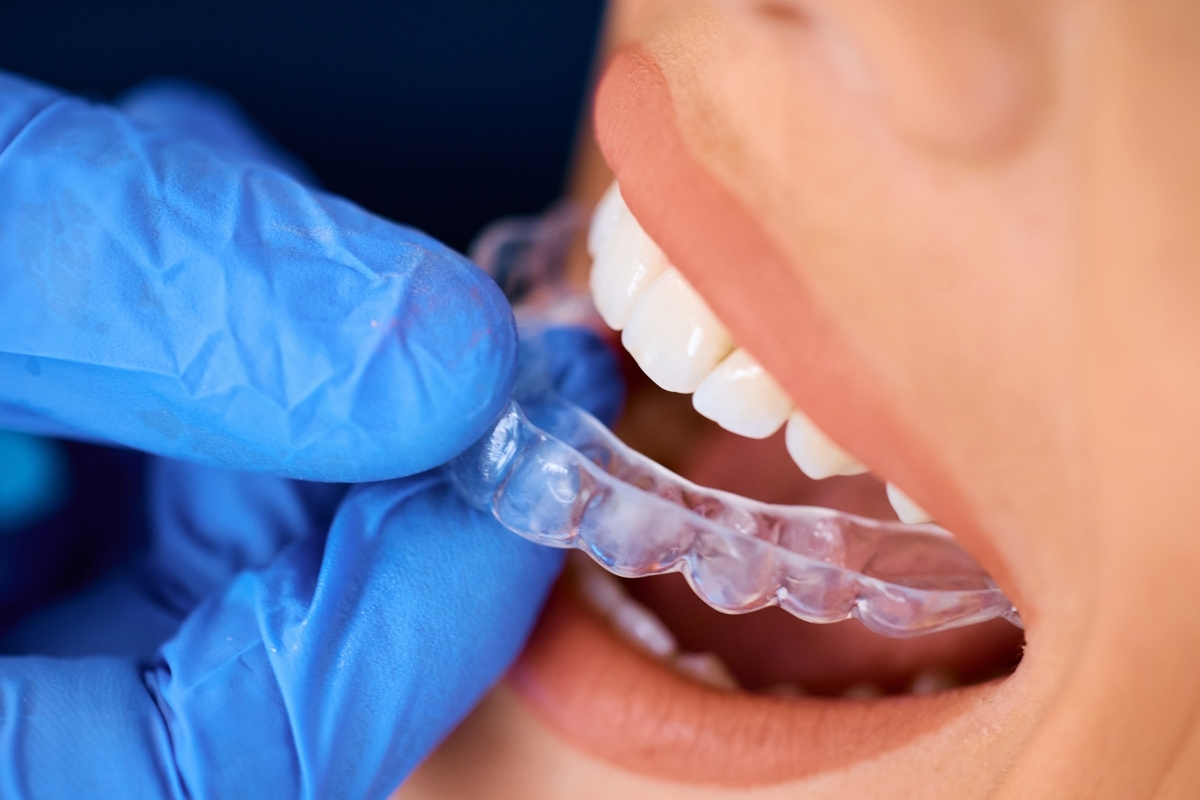
Invisalign uses a series of custom-made, removable clear aligners to gradually shift teeth into their correct positions. Each aligner is worn for about one to two weeks before advancing to the next in the series. While the trays themselves do the heavy lifting, your orthodontist or dentist may also use small, tooth-colored attachments—called engagers—bonded to teeth to apply more precise pressure where needed.

Treating an Overbite With Invisalign

Invisalign can effectively correct mild to moderate overbites. The aligners are designed to reposition the front teeth, and in some cases, small elastics (rubber bands) are used with the trays to help shift the jaw into proper alignment. Research published in the Journal of Clinical Orthodontics has shown that clear aligner therapy with auxiliaries like elastics can produce meaningful overbite reduction — results that were once thought exclusive to traditional braces.

Correcting a Crossbite

Crossbites are among the conditions where Invisalign has shown strong clinical results. Because crossbites often involve individual teeth rather than the entire jaw, clear aligners can target those specific teeth with precision. Posterior crossbites in adults have been successfully treated with Invisalign, particularly when caught before significant bone changes have occurred. Your provider will assess whether your crossbite is dental (teeth-related) or skeletal (jaw-related). The former responds very well to Invisalign, while severe skeletal cases may require additional intervention.

Underbites and Open Bites

Mild to moderate underbites can often be addressed with Invisalign, especially when the cause is dental rather than a significant skeletal discrepancy. Open bites — particularly anterior open bites — are actually one of the areas where Invisalign tends to outperform traditional braces in some studies, likely because the aligner material applies consistent pressure across the teeth and helps with intrusion (pushing teeth slightly into the jawbone to help them meet).

That said, severe bite problems involving significant jaw misalignment may require orthognathic surgery or a combined orthodontic-surgical approach. A thorough evaluation is the only way to know for certain what your treatment path looks like.

What Makes Adult Bite Correction Different From Treating Teens?

Adult orthodontics is genuinely different from treating younger patients. In adolescents, jaw bones are still growing, which gives orthodontists more room to work with. By adulthood, the jaw is fully formed, so treatment focuses entirely on moving teeth within the existing bone structure.

This doesn’t mean treatment is impossible — it just means it requires more precision and, sometimes, a longer timeline. Adults are also more compliant with removable aligners because they understand the stakes. Invisalign works best when worn 20 to 22 hours per day, and most adults are more disciplined about this than teenagers.

There’s another consideration: adults are more likely to have existing dental work, such as crowns, bridges, or implants, or to be missing teeth, which our dental office takes into account when planning treatment. A good evaluation will map out all of these factors before treatment begins.

Is Invisalign Right for Your Bite Issue?

There’s no universal answer here — and anyone who tells you otherwise without examining your teeth isn’t being straight with you. The best candidates for Invisalign are adults with mild to moderate bite problems, good overall oral health, and a commitment to wear their aligners consistently.

If you have active gum disease or untreated decay, that needs to be addressed first. Orthodontic movement in a compromised mouth can accelerate bone loss and cause more harm than good.

For most adults with overbites, crossbites, and similar issues, Invisalign is a genuinely viable option. A consultation, which also includes X-rays, a clinical exam, and sometimes digital impressions, provides you and your provider with the information needed to develop a real plan.

Ready to See What’s Possible?

Bite issues don’t fix themselves, and they rarely stay the same over time. If you’ve been thinking about addressing an overbite, crossbite, or other alignment concern, now is a reasonable time to get a professional opinion. My Dentist AZ serves patients throughout the Mesa area, offering Invisalign and comprehensive restorative care tailored to adult needs.

Schedule a consultation today and find out exactly what treatment could look like for you — no pressure, no guesswork, just a clear picture of your options.

People Also Ask

How long does Invisalign take to correct a bite issue in adults?

Treatment length varies widely depending on the complexity of the case. Mild bite corrections may take as little as 6 to 12 months, while moderate to complex cases can run 18 to 24 months or longer. Your provider will give you a projected timeline after your initial evaluation.

Will Invisalign change the way my face looks?

For some patients, correcting a deep overbite or underbite can subtly improve the facial profile and the way the lips rest. These changes are typically modest and natural-looking rather than dramatic. Your provider can walk you through what to expect based on your specific bite.

Do I need a referral to see an Invisalign provider?

No referral is needed. You can contact a dental office that offers Invisalign directly and book a consultation. Many general dentists are certified Invisalign providers and can handle mild to moderate cases, while more complex bite problems may be best managed by an orthodontist.

What happens after Invisalign treatment is finished?

After completing your aligner series, you’ll transition to a retainer. Retainers are critical for keeping your teeth in their new position — without one, some degree of relapse is likely. Most providers recommend wearing a retainer nightly. Your dentist will discuss the right retainer type for your situation.

Can Invisalign fix my bite if I’ve had braces before?

Yes, in many cases. Relapse after previous orthodontic treatment is common; teeth tend to shift over time if retainers aren’t worn consistently. Invisalign can often re-correct these shifts, and in some cases, the treatment may be shorter than the original because the required movement is more limited.

Invisalign-in-Mesa

February 2, 2026

Invisalign

Bite problems are more common in adults than most people realize. A 2020 study published in the American Journal of Orthodontics and Dentofacial Orthopedics found that roughly 56% of adults have some degree of malocclusion — a misalignment of the teeth or jaw. Yet many adults assume that fixing a bite issue means years of metal brackets and wires. That assumption is outdated.

Invisalign has come a long way since its introduction in the late 1990s. Today, it addresses a wide range of bite corrections, and if you’ve been quietly dealing with an overbite, crossbite, or underbite, there’s a good chance clear aligners can help. For adults across the Valley, working with a provider offering Invisalign means access to modern orthodontic care without putting life on pause.

Here’s what you need to know.

What Are Bite Issues?

A bite issue, also known as malocclusion, occurs when your upper and lower teeth don’t meet correctly. There are several types, and each affects function and appearance differently.

  • Overbite: The upper front teeth overlap too far over the lower ones. A slight overbite is normal, but a deep overbite can cause jaw pain, excessive enamel wear, and even gum tissue damage.
  • Underbite: The lower jaw protrudes forward, causing lower teeth to sit in front of the upper teeth. This can affect chewing, speech, and facial symmetry.
  • Crossbite: Some upper teeth sit inside the lower teeth rather than outside them. A crossbite can be anterior (front teeth) or posterior (back teeth), and it often leads to uneven jaw development and tooth wear over time.
  • Open Bite: When the front teeth don’t close together at all, leaving a visible gap even when the mouth is shut. This can interfere significantly with chewing and speaking.

Left untreated, these conditions don’t just cause cosmetic concerns. They can contribute to temporomandibular joint (TMJ) disorders, chronic headaches, accelerated tooth wear, and difficulty maintaining good oral hygiene. So correcting a bite issue is as much about health as it is about how your smile looks.

Can Invisalign Fix These?

The short answer is yes — for many adults. The longer answer depends on the type and severity of your bite issue.

Invisalign uses a series of custom-made, removable clear aligners to gradually shift teeth into their correct positions. Each aligner is worn for about one to two weeks before advancing to the next in the series. While the trays themselves do the heavy lifting, your orthodontist or dentist may also use small, tooth-colored attachments—called engagers—bonded to teeth to apply more precise pressure where needed.

Treating an Overbite With Invisalign

Invisalign can effectively correct mild to moderate overbites. The aligners are designed to reposition the front teeth, and in some cases, small elastics (rubber bands) are used with the trays to help shift the jaw into proper alignment. Research published in the Journal of Clinical Orthodontics has shown that clear aligner therapy with auxiliaries like elastics can produce meaningful overbite reduction — results that were once thought exclusive to traditional braces.

Correcting a Crossbite

Crossbites are among the conditions where Invisalign has shown strong clinical results. Because crossbites often involve individual teeth rather than the entire jaw, clear aligners can target those specific teeth with precision. Posterior crossbites in adults have been successfully treated with Invisalign, particularly when caught before significant bone changes have occurred. Your provider will assess whether your crossbite is dental (teeth-related) or skeletal (jaw-related). The former responds very well to Invisalign, while severe skeletal cases may require additional intervention.

Underbites and Open Bites

Mild to moderate underbites can often be addressed with Invisalign, especially when the cause is dental rather than a significant skeletal discrepancy. Open bites — particularly anterior open bites — are actually one of the areas where Invisalign tends to outperform traditional braces in some studies, likely because the aligner material applies consistent pressure across the teeth and helps with intrusion (pushing teeth slightly into the jawbone to help them meet).

That said, severe bite problems involving significant jaw misalignment may require orthognathic surgery or a combined orthodontic-surgical approach. A thorough evaluation is the only way to know for certain what your treatment path looks like.

What Makes Adult Bite Correction Different From Treating Teens?

Adult orthodontics is genuinely different from treating younger patients. In adolescents, jaw bones are still growing, which gives orthodontists more room to work with. By adulthood, the jaw is fully formed, so treatment focuses entirely on moving teeth within the existing bone structure.

This doesn’t mean treatment is impossible — it just means it requires more precision and, sometimes, a longer timeline. Adults are also more compliant with removable aligners because they understand the stakes. Invisalign works best when worn 20 to 22 hours per day, and most adults are more disciplined about this than teenagers.

There’s another consideration: adults are more likely to have existing dental work, such as crowns, bridges, or implants, or to be missing teeth, which our dental office takes into account when planning treatment. A good evaluation will map out all of these factors before treatment begins.

Is Invisalign Right for Your Bite Issue?

There’s no universal answer here — and anyone who tells you otherwise without examining your teeth isn’t being straight with you. The best candidates for Invisalign are adults with mild to moderate bite problems, good overall oral health, and a commitment to wear their aligners consistently.

If you have active gum disease or untreated decay, that needs to be addressed first. Orthodontic movement in a compromised mouth can accelerate bone loss and cause more harm than good.

For most adults with overbites, crossbites, and similar issues, Invisalign is a genuinely viable option. A consultation, which also includes X-rays, a clinical exam, and sometimes digital impressions, provides you and your provider with the information needed to develop a real plan.

Ready to See What’s Possible?

Bite issues don’t fix themselves, and they rarely stay the same over time. If you’ve been thinking about addressing an overbite, crossbite, or other alignment concern, now is a reasonable time to get a professional opinion. My Dentist AZ serves patients throughout the Mesa area, offering Invisalign and comprehensive restorative care tailored to adult needs.

Schedule a consultation today and find out exactly what treatment could look like for you — no pressure, no guesswork, just a clear picture of your options.

People Also Ask

How long does Invisalign take to correct a bite issue in adults?

Treatment length varies widely depending on the complexity of the case. Mild bite corrections may take as little as 6 to 12 months, while moderate to complex cases can run 18 to 24 months or longer. Your provider will give you a projected timeline after your initial evaluation.

Will Invisalign change the way my face looks?

For some patients, correcting a deep overbite or underbite can subtly improve the facial profile and the way the lips rest. These changes are typically modest and natural-looking rather than dramatic. Your provider can walk you through what to expect based on your specific bite.

Do I need a referral to see an Invisalign provider?

No referral is needed. You can contact a dental office that offers Invisalign directly and book a consultation. Many general dentists are certified Invisalign providers and can handle mild to moderate cases, while more complex bite problems may be best managed by an orthodontist.

What happens after Invisalign treatment is finished?

After completing your aligner series, you’ll transition to a retainer. Retainers are critical for keeping your teeth in their new position — without one, some degree of relapse is likely. Most providers recommend wearing a retainer nightly. Your dentist will discuss the right retainer type for your situation.

Can Invisalign fix my bite if I’ve had braces before?

Yes, in many cases. Relapse after previous orthodontic treatment is common; teeth tend to shift over time if retainers aren’t worn consistently. Invisalign can often re-correct these shifts, and in some cases, the treatment may be shorter than the original because the required movement is more limited.