How Long Do Dental Implants Last? Understanding Durability and Maintenance

how long dental implants last

How Long Do Dental Implants Last? Understanding Durability and Maintenance
November 15, 2024

Dental Implants

Did you know that dental implants can last a lifetime with proper care? They are a popular solution for replacing missing teeth, offering functional and aesthetic benefits. As dental technology has advanced, more people are turning to implants for a more permanent and natural-looking alternative to dentures and bridges.

This blog aims to help you understand how long these devices last and the best maintenance practices. Whether you’re considering implants or already have them, knowing how to care for them can make all the difference in their longevity.

What Are Dental Implants?

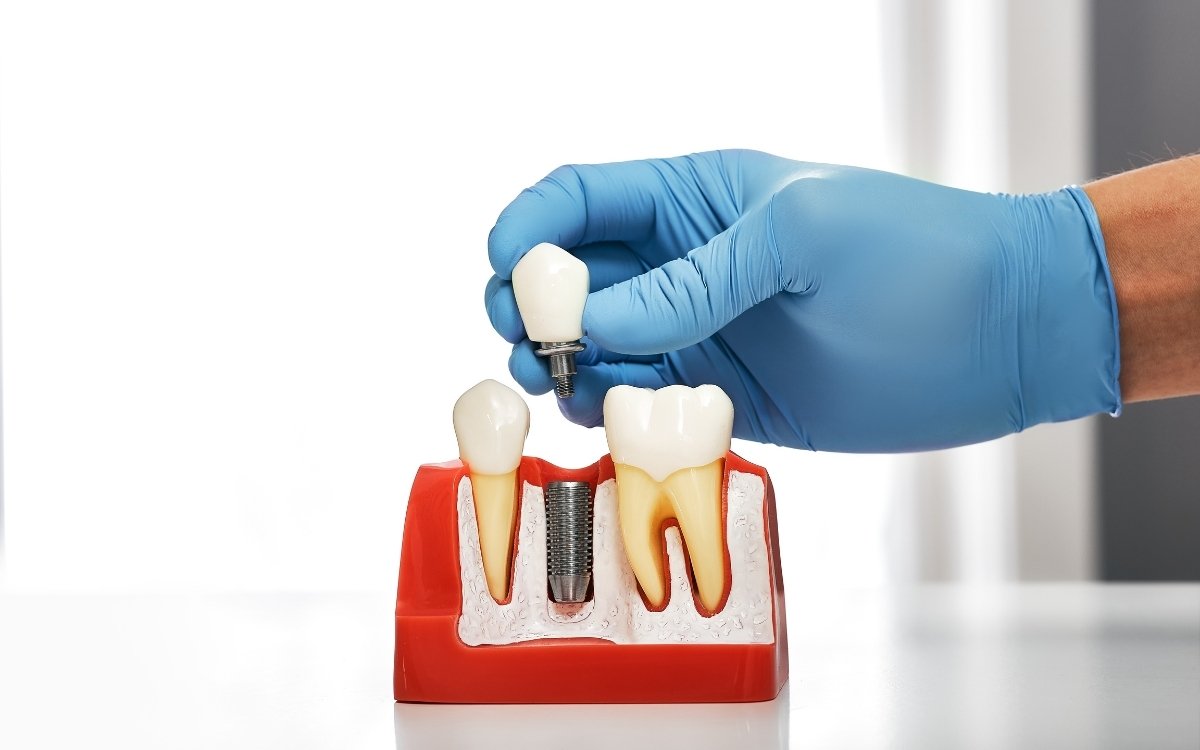
Dental implants are artificial tooth roots that are surgically placed into the jawbone. These titanium posts anchor replacement teeth, providing a stable foundation for crowns, bridges, or dentures. The implant consists of three main components: the implant post (a titanium screw that integrates with the jawbone), the abutment (a connector that links the post to the crown), and the crown (the visible part that mimics a natural tooth).

These solutions are often chosen over traditional dentures or bridges for several reasons. They are more durable and offer a natural appearance that closely resembles real teeth. Unlike dentures, they do not slip or require adhesives.

Dental implants also help maintain bone health, as the titanium post stimulates the jawbone, preventing bone loss over time. Additionally, these devices offer superior functionality, making it easier to eat and speak with confidence.

How Long Do Dental Implants Last?

On average, dental implants can last between 20 to 25 years, or even longer, with proper care and maintenance. The durability of an implant depends on several factors.

  1. Quality of Materials: The type of materials used for the implant and crown plays a major role in its longevity. High-quality titanium and durable crowns tend to last longer.
  2. Placement and Technique: A professional dentist using precise techniques can significantly enhance the success and lifespan of the implant. Proper placement in the jawbone ensures better integration and stability.
  3. Oral Hygiene: Good oral hygiene is critical to the long-term success of this treatment. Plaque buildup around the implant can lead to gum disease or implant failure. Regular brushing and flossing are essential.
  4. Bone Density and Health: A healthy jawbone is vital for implant longevity. Those with adequate bone density and no underlying health issues tend to have better implant outcomes. Smoking, diabetes, and other health conditions can also impact the healing process and affect how long the implant lasts.

While implants are designed to be durable, taking proper care of them ensures they last as long as possible.

Signs of Implant Failure

While dental implants are generally reliable, monitoring for any signs of failure is important. Common symptoms of implant issues include:

  • Pain: Persistent discomfort or pain around the implant could signal an infection or mechanical failure.
  • Swelling: Swollen gums or the surrounding area may indicate an infection, affecting the implant’s stability.
  • Loosening: If the implant feels loose or shifts, it may have failed to integrate properly with the jawbone.
  • Infection: Signs of infection, such as pus, a bad taste in the mouth, or red, inflamed gums, should not be ignored.

Implants can fail for various reasons:

  • Infection: Gum disease or infection around the implant site can cause failure.
  • Mechanical Issues: The crown or abutment may become loose, cracked, or broken.
  • Poor Bone Integration: If the implant doesn’t properly fuse with the jawbone, it can lead to failure.

Early detection of these signs and prompt treatment can help preserve the implant and prevent further complications.

How to Make Dental Implants Last Longer?

To maximize the lifespan of your dental implants, you should prioritize a few key practices:

  1. Oral Hygiene: Just like natural teeth, implants require consistent cleaning. Brush twice daily with a soft toothbrush, floss regularly, and use mouthwash to prevent plaque buildup. Consider using special floss or cleaning tools designed for implants to maintain a thorough clean.
  2. Regular Check-ups: Visit your dentist every 6 to 12 months for professional cleanings and check-ups. This ensures your implants are healthy and free from infection or damage.
  3. Lifestyle Choices: Avoid smoking, which can slow healing and increase the risk of gum disease around the implant. Additionally, limit alcohol consumption as it can negatively affect gum health and healing.
  4. Diet Considerations: A balanced diet helps maintain your oral health and the health of your implants. Foods rich in calcium, vitamin D, and phosphorus, like dairy products, leafy greens, and fish, promote bone health. Avoid hard, sticky foods that could damage the implant or crown.

By following these steps, you can significantly extend the life of your implants.

The Role of Maintenance in Implant Longevity

Regular maintenance plays a crucial role in the longevity of your dental implants. Preventative care is key to avoiding complications like gum disease or implant failure. Regular visits to your dentist allow for professional cleanings and monitoring of the implant site, ensuring there are no signs of infection or wear.

Over time, minor adjustments or repairs may be necessary. If wear occurs, the abutment or crown might need replacement or tightening. Addressing issues promptly can prevent further damage and maintain the implant’s stability.

Maintaining proper gum health around the implant is also essential. Receding gums can expose the implant post, leading to complications. If gum recession is detected early, your dentist can provide treatments to address the issue before it affects the implant.

What Happens if an Implant Fails?

If a dental implant fails, don’t panic. There are several solutions available, including:

  • Implant Removal and Replacement: In some cases, the failed implant can be removed and a new one placed. Your dentist will assess the situation and determine the best approach.
  • Bone Grafting: If bone loss has occurred, a bone graft may be needed to ensure the new implant has enough support.

Failure of an implant can also affect the surrounding teeth and gums. If an implant fails, seeking treatment immediately is important to prevent further damage or infection. Early intervention can help preserve your overall oral health.

In summary, dental implants are a durable and long-lasting solution for missing teeth, but their longevity depends on various factors, such as quality, placement, and maintenance. Proper care and regular check-ups are essential to keep your implants in top condition. Remember, practicing good oral hygiene, avoiding harmful habits, and maintaining a healthy lifestyle is critical to extending the life of your dental implants.

If you’re considering implants or need advice on maintaining your current ones, consult with our dentists. We can offer personalized recommendations and ensure your implants stay in great shape for years to come.

how long dental implants last

November 15, 2024

Dental Implants

Did you know that dental implants can last a lifetime with proper care? They are a popular solution for replacing missing teeth, offering functional and aesthetic benefits. As dental technology has advanced, more people are turning to implants for a more permanent and natural-looking alternative to dentures and bridges.

This blog aims to help you understand how long these devices last and the best maintenance practices. Whether you’re considering implants or already have them, knowing how to care for them can make all the difference in their longevity.

What Are Dental Implants?

Dental implants are artificial tooth roots that are surgically placed into the jawbone. These titanium posts anchor replacement teeth, providing a stable foundation for crowns, bridges, or dentures. The implant consists of three main components: the implant post (a titanium screw that integrates with the jawbone), the abutment (a connector that links the post to the crown), and the crown (the visible part that mimics a natural tooth).

These solutions are often chosen over traditional dentures or bridges for several reasons. They are more durable and offer a natural appearance that closely resembles real teeth. Unlike dentures, they do not slip or require adhesives.

Dental implants also help maintain bone health, as the titanium post stimulates the jawbone, preventing bone loss over time. Additionally, these devices offer superior functionality, making it easier to eat and speak with confidence.

How Long Do Dental Implants Last?

On average, dental implants can last between 20 to 25 years, or even longer, with proper care and maintenance. The durability of an implant depends on several factors.

  1. Quality of Materials: The type of materials used for the implant and crown plays a major role in its longevity. High-quality titanium and durable crowns tend to last longer.
  2. Placement and Technique: A professional dentist using precise techniques can significantly enhance the success and lifespan of the implant. Proper placement in the jawbone ensures better integration and stability.
  3. Oral Hygiene: Good oral hygiene is critical to the long-term success of this treatment. Plaque buildup around the implant can lead to gum disease or implant failure. Regular brushing and flossing are essential.
  4. Bone Density and Health: A healthy jawbone is vital for implant longevity. Those with adequate bone density and no underlying health issues tend to have better implant outcomes. Smoking, diabetes, and other health conditions can also impact the healing process and affect how long the implant lasts.

While implants are designed to be durable, taking proper care of them ensures they last as long as possible.

Signs of Implant Failure

While dental implants are generally reliable, monitoring for any signs of failure is important. Common symptoms of implant issues include:

  • Pain: Persistent discomfort or pain around the implant could signal an infection or mechanical failure.
  • Swelling: Swollen gums or the surrounding area may indicate an infection, affecting the implant’s stability.
  • Loosening: If the implant feels loose or shifts, it may have failed to integrate properly with the jawbone.
  • Infection: Signs of infection, such as pus, a bad taste in the mouth, or red, inflamed gums, should not be ignored.

Implants can fail for various reasons:

  • Infection: Gum disease or infection around the implant site can cause failure.
  • Mechanical Issues: The crown or abutment may become loose, cracked, or broken.
  • Poor Bone Integration: If the implant doesn’t properly fuse with the jawbone, it can lead to failure.

Early detection of these signs and prompt treatment can help preserve the implant and prevent further complications.

How to Make Dental Implants Last Longer?

To maximize the lifespan of your dental implants, you should prioritize a few key practices:

  1. Oral Hygiene: Just like natural teeth, implants require consistent cleaning. Brush twice daily with a soft toothbrush, floss regularly, and use mouthwash to prevent plaque buildup. Consider using special floss or cleaning tools designed for implants to maintain a thorough clean.
  2. Regular Check-ups: Visit your dentist every 6 to 12 months for professional cleanings and check-ups. This ensures your implants are healthy and free from infection or damage.
  3. Lifestyle Choices: Avoid smoking, which can slow healing and increase the risk of gum disease around the implant. Additionally, limit alcohol consumption as it can negatively affect gum health and healing.
  4. Diet Considerations: A balanced diet helps maintain your oral health and the health of your implants. Foods rich in calcium, vitamin D, and phosphorus, like dairy products, leafy greens, and fish, promote bone health. Avoid hard, sticky foods that could damage the implant or crown.

By following these steps, you can significantly extend the life of your implants.

The Role of Maintenance in Implant Longevity

Regular maintenance plays a crucial role in the longevity of your dental implants. Preventative care is key to avoiding complications like gum disease or implant failure. Regular visits to your dentist allow for professional cleanings and monitoring of the implant site, ensuring there are no signs of infection or wear.

Over time, minor adjustments or repairs may be necessary. If wear occurs, the abutment or crown might need replacement or tightening. Addressing issues promptly can prevent further damage and maintain the implant’s stability.

Maintaining proper gum health around the implant is also essential. Receding gums can expose the implant post, leading to complications. If gum recession is detected early, your dentist can provide treatments to address the issue before it affects the implant.

What Happens if an Implant Fails?

If a dental implant fails, don’t panic. There are several solutions available, including:

  • Implant Removal and Replacement: In some cases, the failed implant can be removed and a new one placed. Your dentist will assess the situation and determine the best approach.
  • Bone Grafting: If bone loss has occurred, a bone graft may be needed to ensure the new implant has enough support.

Failure of an implant can also affect the surrounding teeth and gums. If an implant fails, seeking treatment immediately is important to prevent further damage or infection. Early intervention can help preserve your overall oral health.

In summary, dental implants are a durable and long-lasting solution for missing teeth, but their longevity depends on various factors, such as quality, placement, and maintenance. Proper care and regular check-ups are essential to keep your implants in top condition. Remember, practicing good oral hygiene, avoiding harmful habits, and maintaining a healthy lifestyle is critical to extending the life of your dental implants.

If you’re considering implants or need advice on maintaining your current ones, consult with our dentists. We can offer personalized recommendations and ensure your implants stay in great shape for years to come.