
Visit Our Pediatric Office

5 Reasons Why Your Jaw Might Hurt on One Side



July 23, 2024
Dental Emergency
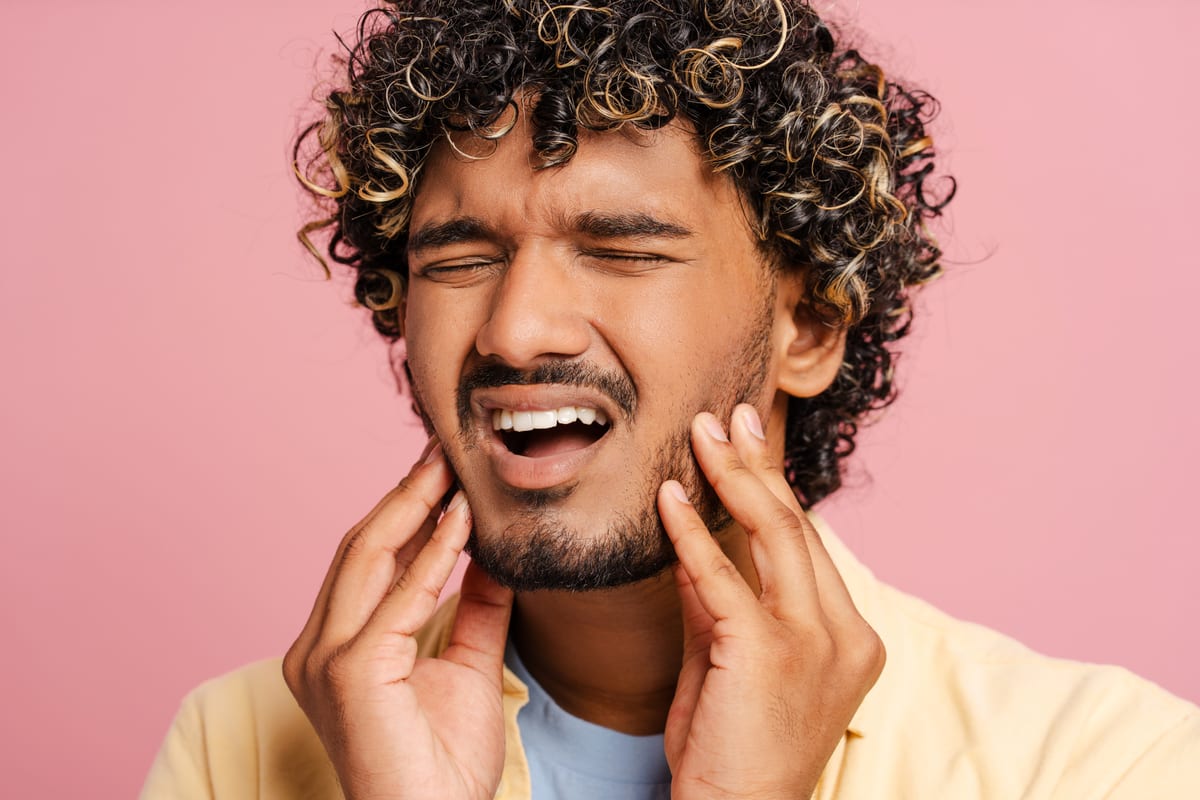
Experiencing one-sided jaw pain, where discomfort is concentrated on just one side, can be both frustrating and debilitating. It can disrupt daily activities like chewing, talking, and sleeping. The causes of this pain can vary from minor to serious, but understanding why your jaw might hurt is the first step toward finding relief.
This blog dives into the five most common reasons why your jaw might hurt on one side, explores the symptoms associated with each, and offers tips for managing the discomfort. Recall that this material should not be used in place of expert medical advice; rather, it is intended exclusively for educational reasons.
1. Temporomandibular Joint (TMJ) Disorders: The Balancing Act Gone Wrong
The temporomandibular joint (TMJ) is a complex hinge joint on either side of your jaw that allows you to open and close your mouth. TMJ disorders encompass a group of conditions affecting the jaw joint, the muscles that control it, and the surrounding tissues.
These conditions can result in a range of symptoms, such as:
- Pain in the jaw, often on one side
- noises in your jaw that click, pop, or grate as you open or close your mouth
- Difficulty chewing or limited jaw movement
- Facial pain
- Earaches
- Headaches
There are numerous reasons that might lead to TMJ issues, including:
Teeth grinding or clenching (bruxism):
This unconscious habit can put excessive strain on the jaw joint and muscles.
Misaligned bite:
Uneven bite patterns can cause unequal stress on the TMJ.
Jaw injury:
A blow to the face or jaw can damage the joint or surrounding structures.
Arthritis:
Degenerative joint disease can affect the TMJ, leading to pain and inflammation.
Stress:
Stress can exacerbate TMJ symptoms by causing muscle tension in the jaw.
Living with TMJ:
If your jaw might hurt and you suspect a TMJ disorder, a dentist in Mesa or a healthcare professional can help diagnose the underlying cause and recommend treatment options. Treatment can vary depending on the severity of your condition and may include:
Self-care techniques:
Relaxation techniques like applying moist heat to the jaw, practicing good posture, and eating soft foods can help manage pain.
Mouth guards or splints:
These dental appliances worn at night can help prevent teeth grinding and reduce stress on the jaw joint.
Medication:
To control pain and inflammation, dentist may prescribe muscle relaxants, painkillers, or anti-inflammatory drugs.
Physical therapy:
Exercise can help improve jaw mobility and reduce muscle tension.
Surgery:
In rare cases, surgery may be necessary to correct structural problems in the jaw joint.
2. Dental Issues: When Tooth Trouble Spreads
Problems with your teeth can sometimes manifest as jaw pain on one side. Here are some dental culprits to consider:
Toothache:
A throbbing or persistent pain in a tooth, especially when chewing, can radiate to the jaw on the affected side.
Abscessed tooth:
An infected tooth with a pus-filled pocket at the root can cause significant pain, swelling, and jaw discomfort.
Wisdom teeth eruption:
The emergence of wisdom teeth, especially impacted ones that are stuck or growing sideways, can cause pain and pressure in the jaw.
Gum disease:
This inflammatory condition affecting the gums can lead to bone loss and pain that may radiate to the jaw.
Misaligned teeth:
Unevenly spaced or crowded teeth can contribute to jaw misalignment and pain.
Addressing Dental Causes:
A visit to a dentist in Mesa can help identify the dental cause of your jaw pain and recommend appropriate treatment. Treatment options might include:
Fillings or crowns:
These procedures can address cavities and restore a tooth’s structure.
Tooth extraction:
Removal of a severely damaged or impacted tooth may be necessary.
Antibiotics:
These medications can fight infection in the case of an abscessed tooth.
Root canal therapy:
This procedure removes infected pulp from the tooth’s interior.
Oral surgery:
Surgery may be needed for complex tooth extractions or wisdom teeth impaction.
Orthodontics:
Braces or aligners can correct misaligned teeth and improve bite patterns.
3. Sinusitis: When a Sinus Headache Gets Jawful
Your jaw might hurt more than you think. Sinusitis, the inflammation of the sinus cavities around your face, might not be the first cause that comes to mind when considering jaw pain. Yet, the maxillary sinuses, situated just above your upper jaw, can occasionally cause pain that radiates to the jaw and teeth.
Symptoms of sinusitis that can mimic jaw pain include:
- Facial swelling
- Headache
- Fever
- Fatigue
- Bad breath
Sinusitis and Jaw Pain:
If you suspect sinusitis might be contributing to your jaw pain, consulting a healthcare professional is crucial. Treatment for sinusitis typically involves:
Over-the-counter medications:
Decongestants, pain relievers, and antihistamines can help alleviate symptoms.
Nasal corticosteroids:
Steroid sprays can reduce inflammation in the nasal passages and sinuses.
Nasal irrigation:
Flushing the nasal passages with saline solution can help clear mucus and relieve congestion.
Antibiotics:
These medications are prescribed for bacterial sinus infections.
4. Trigeminal Neuralgia: A Sharpshooter’s Pain
Trigeminal neuralgia is a less common but potentially debilitating condition that affects the trigeminal nerve, the largest nerve responsible for facial sensations. This condition causes sudden, severe facial pain, often described as a shooting or stabbing sensation, that can last for seconds or minutes. The pain typically occurs on one side of the face and may radiate to the jaw.
Symptoms of trigeminal neuralgia include:
- Intense, electric shock-like pain on one side of the face, often around the jaw, cheek, or temple
- Pain triggered by specific activities like chewing, talking, or touching the face
- Episodes of pain that can last from seconds to minutes and may occur frequently throughout the day
- Numbness or tingling in the affected area
Addressing Trigeminal Neuralgia:
If you experience symptoms suggestive of trigeminal neuralgia, seeking immediate medical attention is crucial. Treatment options may include:
Medication:
Anticonvulsant medications are often used to control the nerve signals causing the pain.
Surgery:
In some cases, minimally invasive procedures or surgery may be performed to disrupt the pain signals from the trigeminal nerve.
5. Other Potential Causes:
While less common, other factors can contribute to jaw pain on one side. These include:
Arthritis:
Degenerative joint diseases like osteoarthritis or rheumatoid arthritis can affect the jaw joint, causing pain and inflammation.
Tetanus:
This bacterial infection affecting the nervous system can cause severe muscle spasms, including those in the jaw.
Tumor or Cyst:
In rare cases, a tumor or cyst in the jawbone or surrounding tissues can cause pain and swelling.
Heart Attack:
While uncommon, jaw pain can be a symptom of a heart attack, especially in women. If you experience sudden, severe jaw pain along with chest pain, shortness of breath, or nausea, seek immediate medical attention.
When to See a Dentist
If your jaw pain is severe, persistent, or accompanied by other concerning symptoms like fever, facial swelling, difficulty chewing, or earaches, consult a healthcare professional. Complications can be avoided and the underlying cause can be managed with early identification and treatment.
This blog is intended for informational purposes only and should not replace professional medical advice. If you are experiencing jaw pain, it’s essential to seek diagnosis and treatment from a qualified healthcare provider to ensure proper care and management of your condition.
Frequently Asked Questions
Is jaw pain on one side always serious?
Not necessarily. Jaw pain can arise from various causes, some minor, like muscle strain from clenching or chewing gum too much. However, persistent or severe pain can indicate a more serious condition. Consulting a dentist is crucial for proper diagnosis and treatment.
Could my wisdom teeth be causing jaw pain on one side?
Impacted or erupting wisdom teeth can definitely cause pain on one side of the jaw. This pain can be accompanied by swelling, redness, and difficulty opening your mouth. If you suspect wisdom teeth are the culprit, a dentist can assess the situation and recommend extraction if necessary.
Is jaw pain a symptom of TMJ (temporomandibular joint) disorder?
TMJ disorder is a common cause of jaw pain, often affecting only one side. It can cause symptoms like clicking or popping sounds in the jaw, difficulty chewing, and facial pain. A dentist can diagnose TMJ and recommend treatment options like mouth guards or physical therapy.
Can sinus problems cause jaw pain?
Yes, sinus congestion or inflammation (sinusitis) can sometimes radiate pain to the jaw, particularly on the affected side. This pain is often accompanied by facial pressure, headaches, and congestion. Treating the underlying sinus issue can alleviate jaw pain.